
Heavy Duty Tarpaulin Decoded: The Science Behind Ultra-Durable Protective Covers
Heavy-duty tarps are basically the Swiss Army knife of outdoor gear—wait, didn’t I already say that about polyethylene? Okay, fine, they’re more like the duct tape of protective covers. You can use them for *everything*. Need to cover your boat? Tarp it up. Protect your firewood? Tarp city. Build a makeshift slip-and-slide for your kids (or yourself)? Tarp-tastic!
Ah, tarpaulins—the unsung heroes of the protection world. They’re like the caped crusaders of outdoor gear, swooping in to save your patio furniture, your camping setup, or that questionable pile of junk you keep saying you’ll clean up “next weekend.” But have you ever stopped to wonder what makes heavy-duty tarpaulins so ridiculously tough? Is it magic? Alien technology? Or just good old-fashioned science? Let’s pull back the tarp (pun absolutely intended) and find out!
What Even Is a Tarpaulin?
For those of you who’ve been living under a rock—or perhaps under a tarpaulin—a tarpaulin is essentially a giant sheet of material designed to protect stuff from the elements. It’s like Mother Nature’s “Nope!” button, shielding your belongings from rain, snow, wind, and whatever chaos she decides to throw your way.
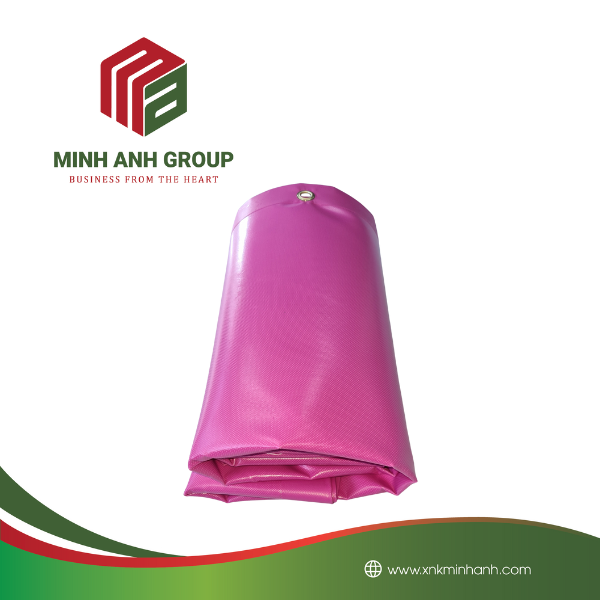
Heavy-duty tarpaulins, however, are the elite squad of this protective family. They’re thicker, stronger, and more durable than your run-of-the-mill tarp. Think of them as the Chuck Norris of covers: they don’t just block rain; they roundhouse kick it into oblivion.
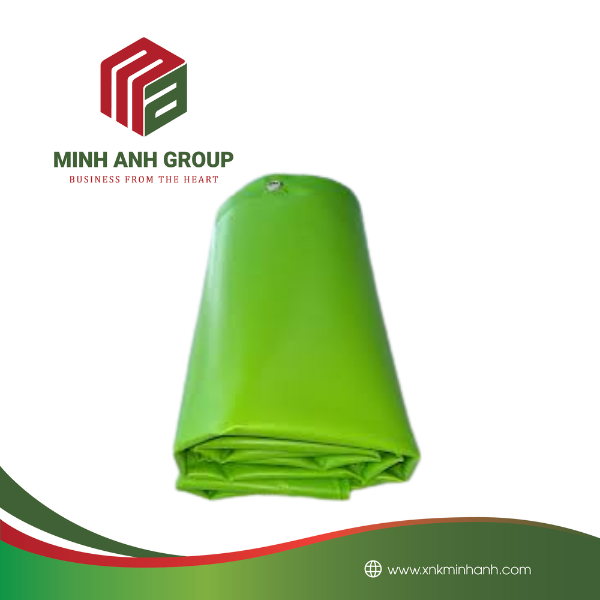
The Science Behind the Strength
So, what makes these heavy-duty tarps so tough? Is it a secret recipe passed down through generations of tarp-making wizards? Well, not quite. It all boils down to materials and clever engineering.
1. Polyethylene: The MVP
Most heavy-duty tarps are made from polyethylene, a type of plastic that’s basically indestructible—or at least it feels that way when you’re trying to cut it with dull scissors. This stuff is waterproof, UV-resistant, and highly durable. It’s like the Swiss Army knife of plastics, but without all the tiny tools that you lose immediately.
2. Weave It Like You Mean It
The fabric in heavy-duty tarps is often woven tightly, creating a grid-like pattern that can withstand serious wear and tear. Imagine a spider on steroids spinning its web—now you’re in the ballpark of how strong this weave is.
3. Laminated Layers: The Tarp Sandwich
Heavy-duty tarps usually have multiple layers laminated together for extra strength and protection. It’s like a sandwich, but instead of bread and cheese, you’ve got layers of indestructible plastic. Delicious!
4. Reinforced Edges: Because Drama Happens
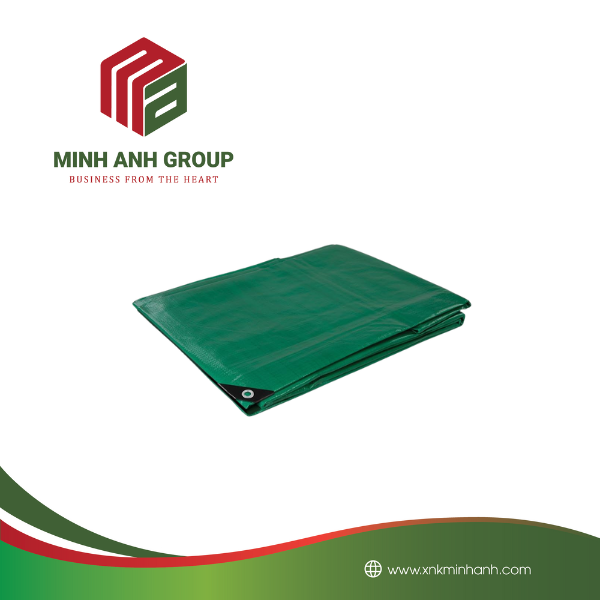
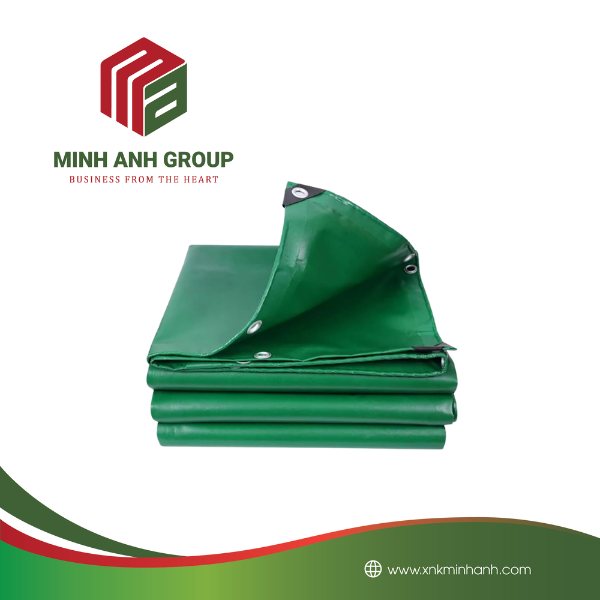
The edges of heavy-duty tarps are reinforced with grommets (those little metal rings) so you can tie them down securely. Without reinforced edges, your tarp would be flapping around like an inflatable tube man at a car dealership.
Why Are They So Useful?
Heavy-duty tarps are basically the Swiss Army knife of outdoor gear—wait, didn’t I already say that about polyethylene? Okay, fine, they’re more like the duct tape of protective covers. You can use them for *everything*. Need to cover your boat? Tarp it up. Protect your firewood? Tarp city. Build a makeshift slip-and-slide for your kids (or yourself)? Tarp-tastic!
They’re also ideal for situations where Mother Nature decides to throw a tantrum. Whether it’s torrential rain or snow that makes you question your life choices, tarps provide a reliable shield against her mood swings.
The Great Debate: Blue vs. Green vs. Silver Tarps
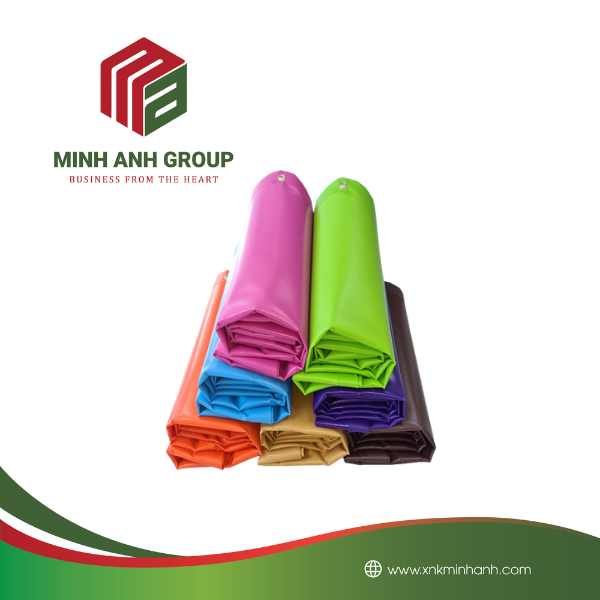
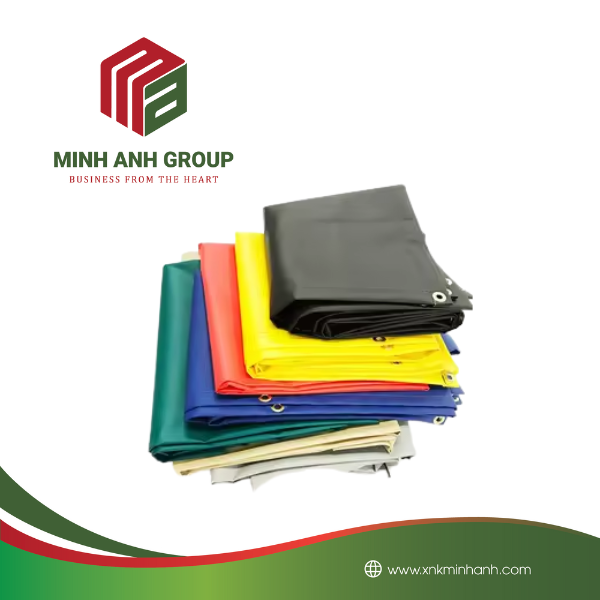
If you’ve ever shopped for a tarp, you’ve probably noticed they come in different colors. But does the color actually matter, or is it just a fashion statement for your backyard?
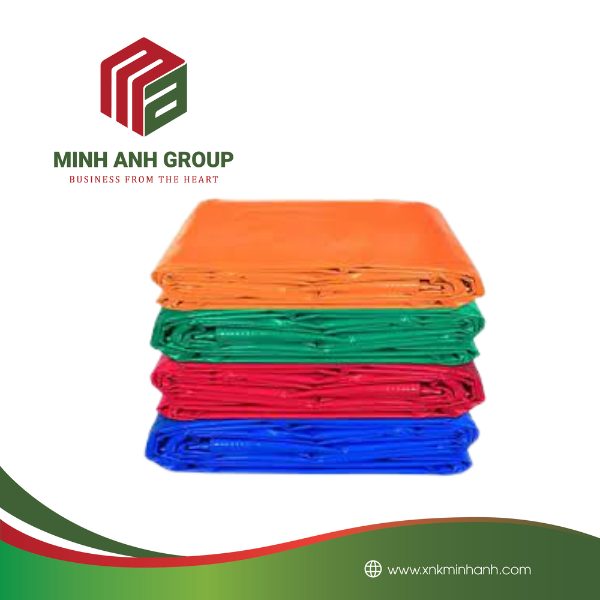
– Blue Tarps: The classic choice. These are like the jeans of tarpaulins—versatile and universally accepted.
– Green Tarps: Perfect for blending into nature. If you’re trying to camouflage your camping gear or make your backyard look less like a hardware store exploded, green is your go-to.
– Silver Tarps: The fancy ones. These bad boys reflect sunlight and keep things cooler underneath. It’s like putting sunglasses on your stuff.
Let’s be honest though—most people pick their tarp color based on what’s cheapest or what matches their vibe. (Silver tarp for me; I’m fancy like that.)
Fun Facts About Tarpaulins
Because who doesn’t love random trivia about giant sheets of plastic?
1. The word “tarpaulin” comes from “tar” (as in waterproofing tar) and “palling” (a medieval word for cloth). So basically, tarpaulins are just really fancy tar-covered cloths. Who knew?
2. There’s no official world record for “largest tarp,” but some custom-made ones have been used to cover entire stadiums during rain delays. That’s right—your humble backyard tarp has cousins living the high life in professional sports!
3. Heavy-duty tarps are so strong that some people use them to build temporary shelters or even roofs during emergencies. They’re basically superheroes in sheet form.
Caring for Your Tarp: Because Even Heroes Need TLC
You might think your heavy-duty tarp is invincible—and okay, it kind of is—but it still needs some love if you want it to last forever (or at least until you lose it in your garage).
1. Clean It Like You Mean It
After using your tarp, give it a good rinse to remove dirt and debris. Nobody likes a crusty tarp—it’s just sad.
2. Store It Properly
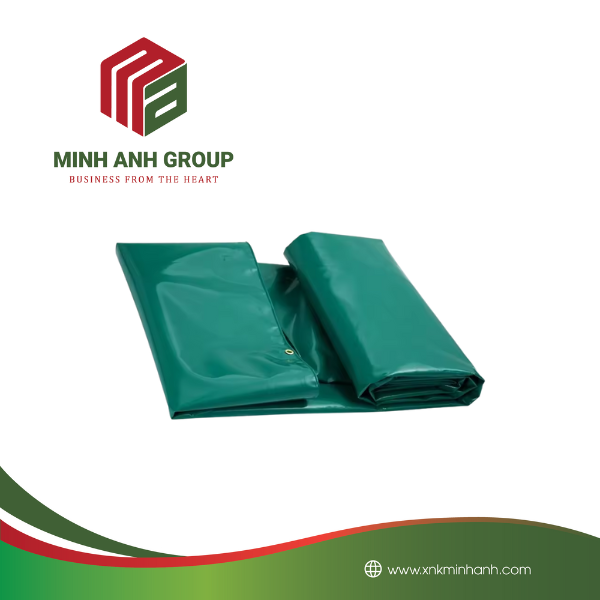
Don’t just shove your tarp into a corner like an unloved sweater. Fold it neatly and store it in a dry place to prevent mold and mildew from setting up shop.
3. Inspect for Damage
Check for rips or tears before using your tarp again. If you find any holes, patch them up with some duct tape or a repair kit—it’s like giving your tarp first aid!
The Tarp Life Is the Good Life
Heavy-duty tarpaulins may not get the glory they deserve, but they’re absolute legends in the world of protection and practicality. Whether you’re battling bad weather or just trying to keep your stuff organized, these ultra-durable covers have got your back—literally and figuratively.
So next time you see a tarp flapping proudly in someone’s yard or covering an oddly shaped pile of mystery items, give it a little nod of respect. Because behind every great tarp is science—and maybe just a sprinkle of magic too.
Hãy là người đầu tiên nhận xét “Heavy Duty Tarpaulin Decoded: The Science Behind Ultra-Durable Protective Covers”
Sản phẩm tương tự

Tin Tức Bao Bì

Tin Tức Bao Bì

Tin Tức Bao Bì


Tin Tức Bao Bì

Tin Tức Bao Bì

Tin Tức Bao Bì

Tin Tức Bao Bì


Đánh giá
Chưa có đánh giá nào.