
When it comes to long-term food storage, keeping your supplies safe from pests is a top priority. Whether you’re building an emergency stockpile, preserving bulk purchases, or simply trying to extend the shelf life of your pantry staples, Mylar bags have become a trusted solution for many. These durable, versatile storage bags are a game-changer for anyone looking to safeguard their food from unwanted invaders like insects and rodents.

Let’s explore why Mylar bags are such a popular choice and how they can help protect your food from pests while maintaining its freshness for years to come.
What Are Mylar Bags?
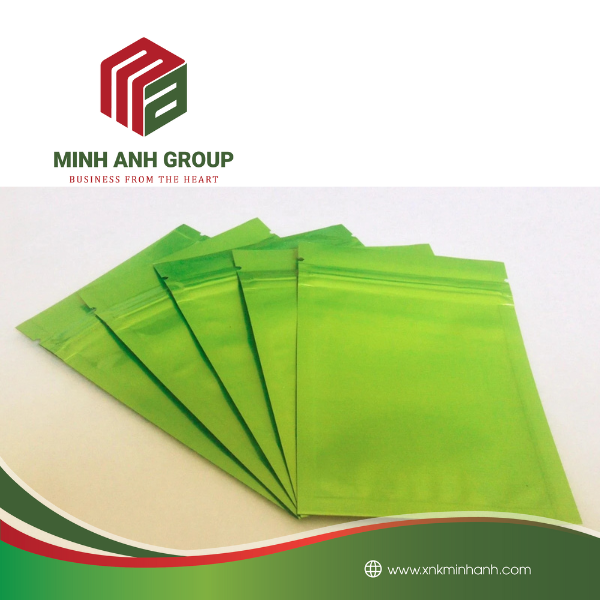
Mylar bags are made from stretched polyethylene terephthalate (PET) material, often combined with a thin layer of aluminum. This combination creates a strong, flexible barrier that’s resistant to light, moisture, and air. Originally developed by DuPont in the 1950s, Mylar has since found its way into countless industries, including food storage.
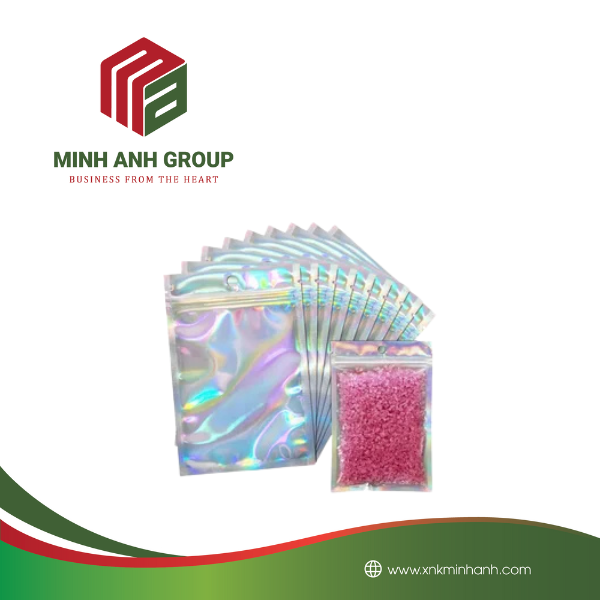
These bags are especially valued for their ability to create an airtight seal when used with heat sealers. By eliminating exposure to oxygen and humidity, Mylar bags not only preserve the quality of your food but also make it much harder for pests to survive inside.
How Do Mylar Bags Protect Against Pests?
One of the biggest challenges in food storage is preventing infestations. Pests like ants, weevils, moths, and rodents are notorious for finding their way into even the most tightly sealed containers. Here’s how Mylar bags offer superior protection:

1. Strong Barrier Against Insects
Mylar’s thick, durable material is much harder for insects to chew through compared to traditional plastic bags or cardboard packaging. Even the tiniest pests find it nearly impossible to penetrate the layers of a properly sealed Mylar bag.
2. Airtight Seal
Oxygen is essential for most pests to survive and thrive. When you use oxygen absorbers in conjunction with Mylar bags, you create an environment where pests can’t breathe or reproduce. This airtight seal also prevents new infestations from occurring.
3. Light and Moisture Resistance
Many pests are attracted to food that’s exposed to light and moisture. Mylar bags block both, keeping your food dry and hidden from prying eyes (and antennae). This makes them ideal for storing grains, beans, pasta, and other dry goods.
4. Rodent Deterrence
Although no material is entirely rodent-proof, Mylar bags stored in sturdy containers like plastic buckets or metal bins provide an added layer of defense. The combination of the bag’s strength and the outer container makes it significantly harder for rodents to access your food.

What Foods Can You Store in Mylar Bags?
Mylar bags are incredibly versatile and can be used to store a wide variety of foods. Some popular options include:

– Grains: Rice, wheat, oats, quinoa
– Legumes: Lentils, beans, chickpeas
– Pasta: Spaghetti, macaroni, egg noodles
– Powders: Flour, powdered milk, protein powder
– Dehydrated Foods: Fruits, vegetables, herbs
– Snacks: Nuts, seeds, granola

It’s important to note that Mylar bags are best suited for dry goods with low oil content. Foods high in oil or moisture can go rancid or spoil over time, even in a sealed environment.

Tips for Effective Food Storage with Mylar Bags
To get the most out of your Mylar bags and ensure maximum pest protection, follow these simple tips:
1. Use Oxygen Absorbers
Oxygen absorbers are small packets filled with iron powder that remove oxygen from the bag once sealed. This not only extends the shelf life of your food but also creates an uninhabitable environment for pests. Be sure to use the correct size of oxygen absorber based on the volume of food you’re storing.
2. Seal Properly
A heat sealer is your best friend when working with Mylar bags. Make sure the seal is tight and free of wrinkles to prevent any air or pests from sneaking in. If you don’t have a heat sealer, a household iron or hair straightener can work in a pinch!
3. Store in a Cool, Dry Place
Temperature and humidity play a big role in food storage success. Keep your Mylar bags in a cool, dark place like a pantry or basement to maintain their integrity and deter pests further.
4. Double Up with Buckets
For added protection against rodents and physical damage, place your sealed Mylar bags inside food-grade plastic buckets or metal containers with tight-fitting lids. This extra step provides peace of mind and helps keep your supplies safe from larger pests.
5. Label Your Bags
Don’t forget to label each bag with the contents and date of storage! This will help you keep track of what you have and rotate your stock as needed.

Why Choose Mylar Bags Over Other Storage Options?
While there are many ways to store food, Mylar bags offer several advantages over other methods:
– Better Protection: Unlike regular plastic bags or vacuum-sealed containers, Mylar provides superior defense against light, moisture, and air—all factors that attract pests.
– Long Shelf Life: When stored properly, food in Mylar bags can last 10-30 years! That’s significantly longer than most other storage options.
– Cost-Effective: Mylar bags are affordable and reusable if handled carefully, making them a budget-friendly choice for long-term storage needs.
– Lightweight and Portable: Their lightweight nature makes them easy to transport or stack neatly in your storage area.

Final Thoughts
Pests can wreak havoc on your food supply if you’re not prepared—but with Mylar bags in your arsenal, you can rest easy knowing your pantry staples are safe and sound. Their durable construction, airtight seal, and resistance to light and moisture make them an excellent choice for anyone looking to store food long-term without worrying about infestations.
Whether you’re a seasoned prepper or just starting to think about food storage solutions, investing in Mylar bags is a smart move that pays off in the long run. So go ahead—stock up on those grains and beans with confidence! Your future self will thank you when you open a perfectly preserved bag of rice years down the line.

Happy storing!
Hãy là người đầu tiên nhận xét “Mylar Bags: Protecting Your Food from Pests”
Sản phẩm tương tự

Tin Tức Bao Bì

Tin Tức Bao Bì


Tin Tức Bao Bì


Tin Tức Bao Bì

Tin Tức Bao Bì

Tin Tức Bao Bì


Đánh giá
Chưa có đánh giá nào.