

The Versatility and Applications of Plastic Film

Plastic film is a versatile material that has transformed industries through its adaptability and functionality. From preserving food to enabling advanced medical care, its applications are vast and varied. However, with its widespread use comes the responsibility to address environmental challenges through sustainable practices and innovative solutions.
Plastic film is a ubiquitous material that has become an integral part of modern life. Its lightweight, flexible, and durable properties make it indispensable across a wide range of industries. From packaging to agriculture, construction to healthcare, plastic film has demonstrated remarkable adaptability, providing innovative solutions to meet diverse needs. This article explores the characteristics, types, and applications of plastic film, highlighting its importance in contemporary society.
Characteristics of Plastic Film
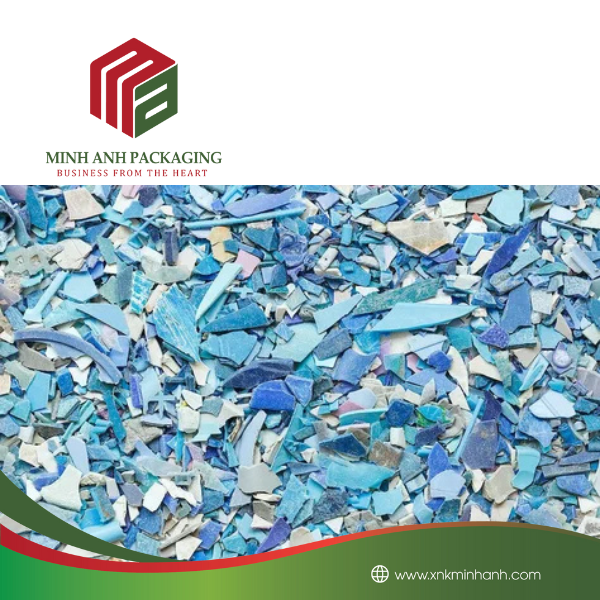
Plastic film is a thin, continuous sheet made from polymers such as polyethylene (PE), polypropylene (PP), polyvinyl chloride (PVC), and polyethylene terephthalate (PET), among others. Its versatility stems from its unique properties, which can be tailored to suit specific applications. Key attributes include:
1. Flexibility and Lightweight: Plastic film is easy to handle and transport due to its low weight and pliability.
2. Durability: It is resistant to tearing, punctures, and chemical exposure, ensuring long-lasting performance.
3. Barrier Properties: Many plastic films offer excellent protection against moisture, air, light, and contaminants.
4. Transparency or Opacity: Depending on the application, plastic film can be manufactured to be clear for visibility or opaque for privacy and protection.
5. Cost-Effectiveness: Compared to alternative materials like glass or metal, plastic film is economical to produce and use.
Types of Plastic Film
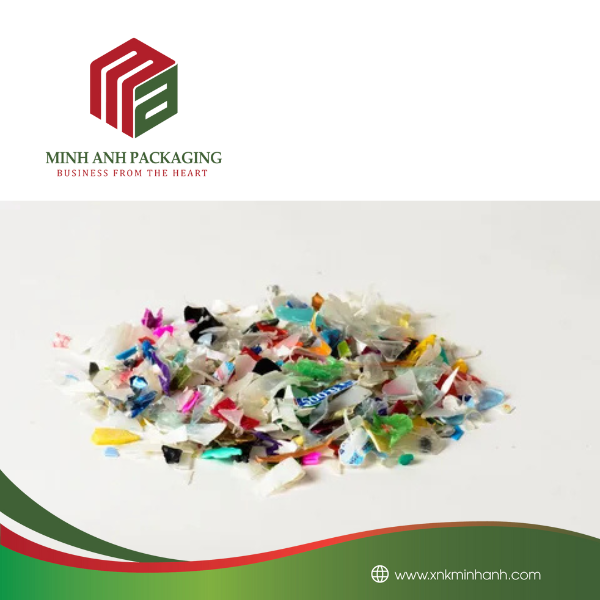
Plastic film comes in various types, each designed for specific purposes:
– Polyethylene Film (PE): The most common type of plastic film, used in everything from grocery bags to shrink wrap. Variants include low-density polyethylene (LDPE) for flexibility and high-density polyethylene (HDPE) for strength.
– Polypropylene Film (PP): Known for its clarity and resistance to heat, PP film is often used in food packaging and labeling.
– Polyvinyl Chloride Film (PVC): PVC film is valued for its durability and is widely used in construction, healthcare, and packaging.
– Polyester Film (PET): PET film offers excellent dimensional stability and is commonly used in applications requiring high strength and temperature resistance, such as electronics and solar panels.

Applications of Plastic Film
The versatility of plastic film is evident in its widespread use across multiple sectors:
#1. Packaging Industry
The packaging sector is one of the largest consumers of plastic film. Its ability to preserve freshness, protect products, and offer convenience makes it ideal for food packaging, industrial wrapping, and consumer goods. Multi-layered films with barrier properties are commonly used to extend the shelf life of perishable items.
#2. Agriculture
In agriculture, plastic film plays a crucial role in enhancing productivity and resource efficiency. Mulch films help retain soil moisture, suppress weeds, and regulate soil temperature. Greenhouse films provide controlled environments for crop growth by protecting plants from adverse weather conditions.
#3. Healthcare
Plastic films are indispensable in the healthcare industry due to their hygienic properties and adaptability. They are used in medical packaging, surgical drapes, IV bags, and protective coverings for medical equipment.
#4. Construction
In construction, plastic films serve as vapor barriers, insulation layers, and protective coverings. They help improve energy efficiency in buildings by reducing heat loss and preventing moisture infiltration.
#5. Electronics
The electronics industry relies on high-performance plastic films for applications such as flexible circuits, display screens, and insulation materials. PET films are particularly popular due to their durability and heat resistance.
#6. Consumer Goods
Plastic film is also widely used in the production of everyday consumer goods like adhesive tapes, laminates, and decorative materials. Its adaptability allows manufacturers to create products that are both functional and aesthetically pleasing.
Environmental Considerations
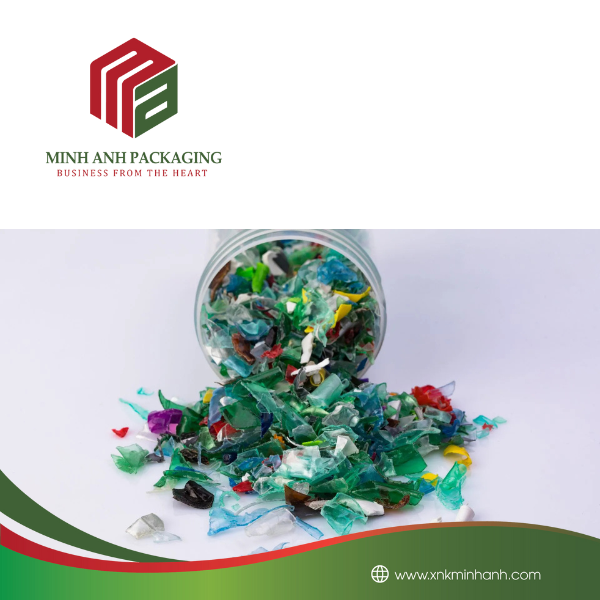
While plastic film offers numerous benefits, its environmental impact cannot be overlooked. Improper disposal can lead to pollution and harm ecosystems. As a result, there is growing emphasis on sustainable practices such as recycling, biodegradable alternatives, and reducing single-use plastics.
Innovations in bioplastics are paving the way for more eco-friendly options. These materials are derived from renewable sources such as corn starch or sugarcane and can decompose under specific conditions. Additionally, advancements in recycling technology are enabling the efficient recovery and reuse of plastic films.
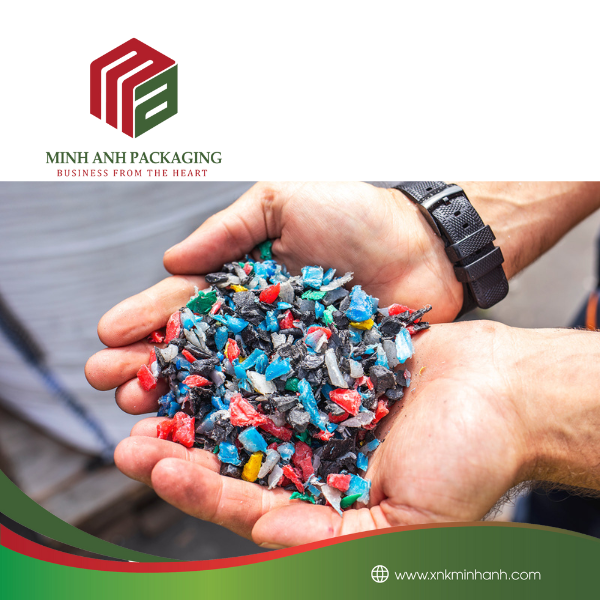
Plastic film is a versatile material that has transformed industries through its adaptability and functionality. From preserving food to enabling advanced medical care, its applications are vast and varied. However, with its widespread use comes the responsibility to address environmental challenges through sustainable practices and innovative solutions.
As industries continue to evolve, so too will the role of plastic film in shaping a more efficient and sustainable future. By balancing its benefits with environmental stewardship, we can ensure that this remarkable material continues to serve society responsibly.
Hãy là người đầu tiên nhận xét “The Versatility and Applications of Plastic Film”
Sản phẩm tương tự

Tin Tức Bao Bì

Tin Tức Bao Bì

Tin Tức Bao Bì

Tin Tức Bao Bì

Tin Tức Bao Bì


Tin Tức Bao Bì


Đánh giá
Chưa có đánh giá nào.