
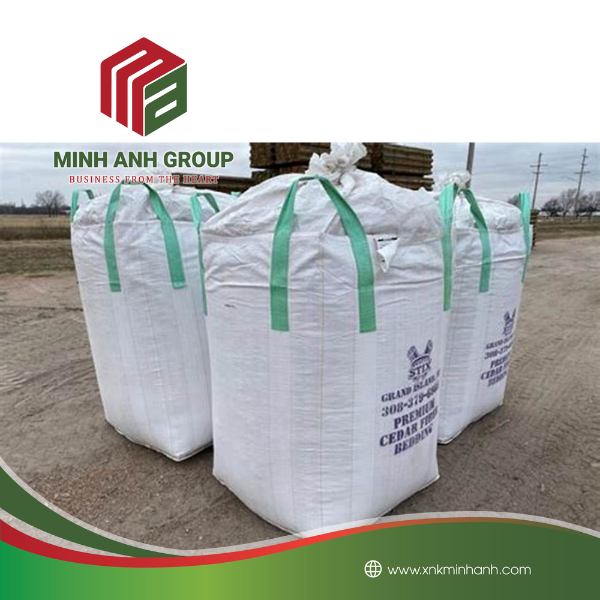
What Are the Key Features of Heavy-Duty FIBC Bags?
Flexible Intermediate Bulk Containers (FIBC), commonly referred to as bulk bags or jumbo bags, are a cornerstone of modern industrial packaging. Designed to store and transport large quantities of dry, flowable materials, heavy-duty FIBC bags are indispensable across industries such as agriculture, construction, chemicals, and food processing. Their robust design and functionality make them an efficient and cost-effective solution for handling bulk materials. Below, we explore the key features that set heavy-duty FIBC bags apart and make them a preferred choice for businesses worldwide.
Flexible Intermediate Bulk Containers (FIBC), commonly referred to as bulk bags or jumbo bags, are a cornerstone of modern industrial packaging. Designed to store and transport large quantities of dry, flowable materials, heavy-duty FIBC bags are indispensable across industries such as agriculture, construction, chemicals, and food processing. Their robust design and functionality make them an efficient and cost-effective solution for handling bulk materials. Below, we explore the key features that set heavy-duty FIBC bags apart and make them a preferred choice for businesses worldwide.
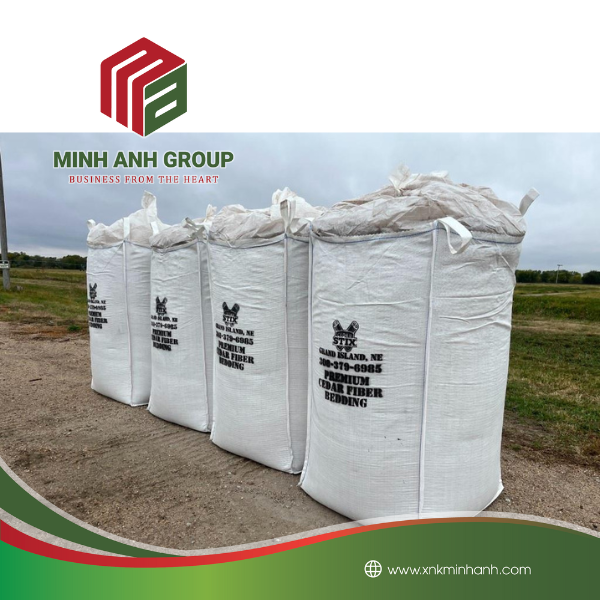
1. High Load-Bearing Capacity
One of the most defining features of heavy-duty FIBC bags is their exceptional load-bearing capacity. Depending on their design and construction, these bags can carry weights ranging from 500 kilograms to over 2,000 kilograms. This makes them suitable for transporting a wide variety of materials, including grains, fertilizers, sand, cement, and plastic granules. The use of high-strength woven polypropylene fabric ensures that the bags can withstand heavy loads without tearing or losing their structural integrity.
2. Durable Construction
Heavy-duty FIBC bags are manufactured using tightly woven polypropylene fabric, which provides excellent durability and resistance to wear and tear. The material is designed to endure harsh handling conditions during storage, transportation, and loading/unloading processes. Additionally, the seams of these bags are reinforced to prevent leakage or rupture under pressure, ensuring safe and reliable performance even in demanding environments.
3. Customizable Designs
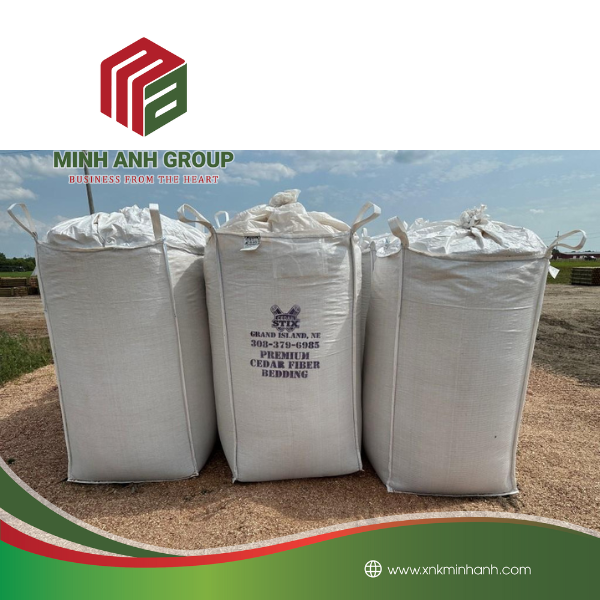
Industries have varying requirements when it comes to bulk material handling, and heavy-duty FIBC bags are highly customizable to meet these needs. They come in different shapes (square, rectangular, or cylindrical) and sizes to accommodate specific volumes of material. Customization options also include the number and type of lifting loops, discharge spouts, filling spouts, and liners for added protection. This versatility allows businesses to select the most suitable bag configuration for their operational needs.
4. UV Resistance
For industries that store or transport materials outdoors, UV resistance is a critical feature. Heavy-duty FIBC bags are often treated with UV stabilizers to protect them from degradation caused by prolonged exposure to sunlight. This ensures that the bags maintain their strength and functionality over extended periods, even in harsh weather conditions.
5. Moisture and Contaminant Protection
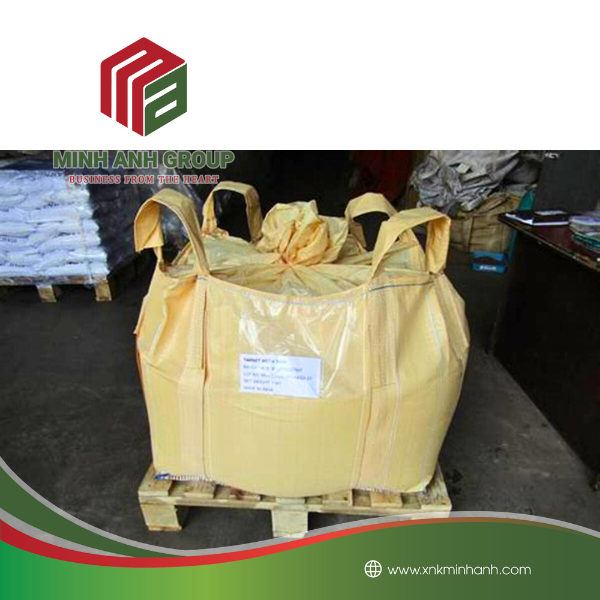
Many materials transported in FIBC bags are sensitive to moisture, dust, or contaminants. To address this concern, heavy-duty FIBC bags can be equipped with inner liners made of polyethylene or other materials that provide an additional layer of protection. These liners act as a barrier against moisture and contaminants, safeguarding the integrity of the contents during storage and transit.
6. Ease of Handling
Heavy-duty FIBC bags are designed for efficiency in material handling. Equipped with lifting loops at the corners or along the edges, these bags can be easily lifted and moved using forklifts or cranes. This eliminates the need for manual handling and reduces labor costs while improving workplace safety. The inclusion of filling spouts, discharge spouts, or bottom openings further enhances ease of use by streamlining loading and unloading processes.
7. Cost-Effectiveness
Compared to other bulk packaging options like rigid containers or drums, heavy-duty FIBC bags are highly cost-effective. Their lightweight design reduces shipping costs while still offering high strength and durability. Additionally, many FIBC bags are reusable when handled properly, providing an economical solution for businesses with recurring bulk material needs.
8. Eco-Friendly Options
As industries move toward more sustainable practices, many manufacturers now offer eco-friendly FIBC bags made from recyclable materials. Some heavy-duty FIBC bags are also designed for multiple uses, reducing waste generated from single-use packaging solutions. This aligns with environmental goals while maintaining the practicality and efficiency of bulk material handling.

9. Compliance with Industry Standards
Heavy-duty FIBC bags are often manufactured to comply with stringent industry standards and regulations. For example, food-grade FIBC bags are produced in cleanroom environments to ensure they meet hygiene requirements for food products. Similarly, anti-static or conductive FIBC bags are designed for industries handling flammable or explosive materials to minimize the risk of static discharge.
10. Versatility Across Industries
The adaptability of heavy-duty FIBC bags makes them suitable for a wide range of applications across various industries:
– Agriculture: Transporting grains, seeds, fertilizers, and animal feed.
– Construction: Handling sand, gravel, cement, and other building materials.
– Chemicals: Storing powdered chemicals or granules safely.
– Food Processing: Packaging bulk quantities of sugar, flour, salt, or other food ingredients.
– Mining: Transporting ores and minerals efficiently.
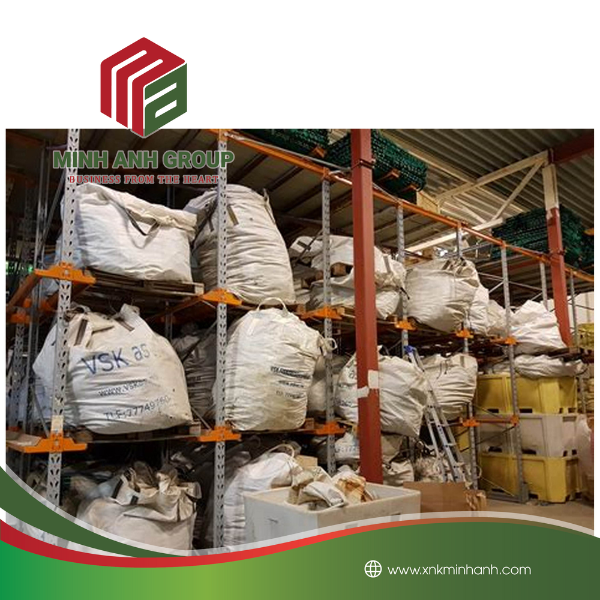
Heavy-duty FIBC bags are a versatile, durable, and cost-effective solution for bulk material handling across numerous industries. Their ability to carry heavy loads while offering customization options and protection against environmental factors makes them an invaluable asset for businesses seeking efficient packaging solutions. With advancements in material technology and design innovation, these bags continue to evolve to meet the growing demands of industrial applications while aligning with sustainability goals.
Hãy là người đầu tiên nhận xét “What Are the Key Features of Heavy-Duty FIBC Bags?”
Sản phẩm tương tự

Tin Tức Bao Bì

Tin Tức Bao Bì

Tin Tức Bao Bì

Tin Tức Bao Bì

Tin Tức Bao Bì

Tin Tức Bao Bì

Tin Tức Bao Bì

Tin Tức Bao Bì


Đánh giá
Chưa có đánh giá nào.