
Can Ziplock Bags Be Used in the Microwave?
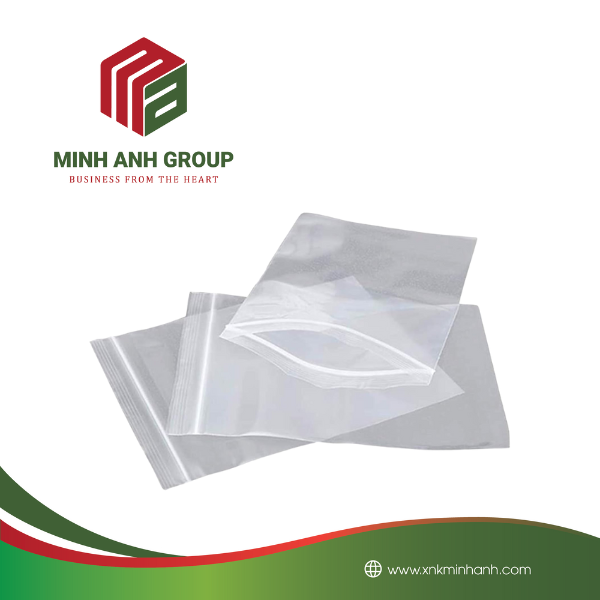
Ziplock bags are a staple in many households, offering a convenient way to store food, organize items, and reduce waste. Their versatility and ease of use make them a go-to option for preserving leftovers, packing lunches, and even marinating ingredients. However, questions often arise about their suitability for use in the microwave. This article explores whether Ziplock bags can be safely used in microwaves, the potential risks involved, and best practices for heating food.
Ziplock bags are a staple in many households, offering a convenient way to store food, organize items, and reduce waste. Their versatility and ease of use make them a go-to option for preserving leftovers, packing lunches, and even marinating ingredients. However, questions often arise about their suitability for use in the microwave. This article explores whether Ziplock bags can be safely used in microwaves, the potential risks involved, and best practices for heating food.

Are Ziplock Bags Microwave-Safe?
Ziplock, a popular brand of resealable plastic storage bags, produces a variety of products designed for different purposes. According to the manufacturer, some Ziplock bags are labeled as microwave-safe. This means they are designed to withstand the heat generated during microwave use without melting or releasing harmful chemicals into food. However, it is important to note that not all plastic bags are created equal, and only those explicitly marked as microwave-safe should be used for this purpose.
Understanding Microwave-Safe Standards
When a product is labeled as microwave-safe, it means it has been tested to ensure it can endure microwave conditions without compromising its structural integrity or safety. For Ziplock bags, this generally means they are made from polyethylene or polypropylene, materials that are less likely to leach harmful chemicals or break down under moderate heat.
However, even microwave-safe Ziplock bags come with limitations. They are not designed for prolonged exposure to high temperatures or for cooking food that requires extended heating. Instead, they are best suited for short reheating sessions or defrosting frozen items.

Potential Risks of Microwaving Ziplock Bags
While some Ziplock bags are deemed microwave-safe, there are still potential risks to consider:
1. Chemical Leaching: Although Ziplock bags are BPA-free and do not contain dioxins, heating plastics in general can sometimes cause chemicals to leach into food. This risk increases if the bag is exposed to high heat for extended periods or if it comes into direct contact with fatty or oily foods.
2. Melting or Warping: If the microwave temperature exceeds the bag’s heat tolerance, it may melt or warp. This not only ruins the bag but can also contaminate your food.
3. Steam Build-Up: When heating food in a sealed bag, steam can build up quickly and cause the bag to burst. To prevent this, it is essential to leave the bag partially open or use venting methods recommended by the manufacturer.
4. Uneven Heating: Microwaves heat food unevenly, which can result in hot spots that may damage the bag or overheat certain areas of the food.
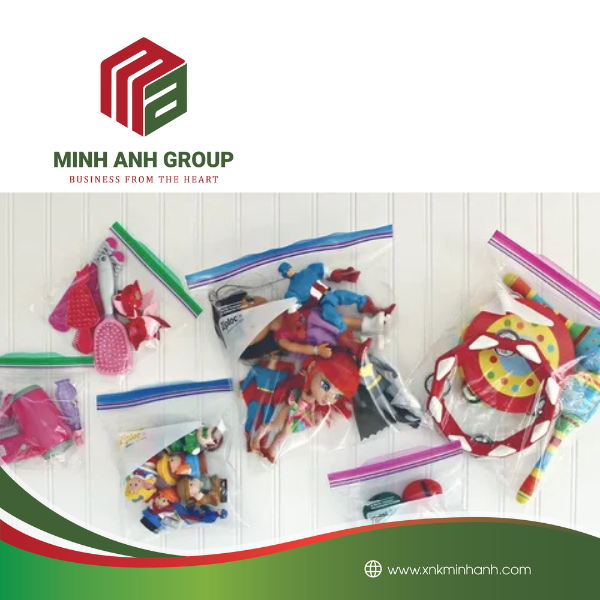
Best Practices for Microwaving Food in Ziplock Bags
If you decide to use a microwave-safe Ziplock bag for reheating or defrosting food, follow these best practices to ensure safety and effectiveness:
1. Check the Label: Always verify that the bag is explicitly labeled as microwave-safe. If there is no such indication on the packaging, avoid using it in the microwave.
2. Use Low to Medium Heat Settings: Avoid using high heat settings when microwaving food in a Ziplock bag. Lower temperatures reduce the risk of melting or chemical leaching.
3. Vent the Bag: To prevent steam build-up and potential bursting, leave the bag partially open or create small vent holes before microwaving.
4. Avoid Overheating: Limit the time the bag spends in the microwave to short intervals. Stir or check the food frequently to ensure even heating.
5. Do Not Reuse: Once a Ziplock bag has been microwaved, avoid reusing it for further heating or storage. Heat exposure can degrade the material, making it less safe for subsequent uses.
6. Avoid High-Fat Foods: Fatty foods tend to reach higher temperatures in the microwave and can cause the bag to overheat or release chemicals more readily. Consider transferring such foods to a microwave-safe dish instead.
Alternatives to Microwaving in Plastic Bags
If you have concerns about using plastic bags in the microwave, there are several alternatives that may be safer and more reliable:
1. Microwave-Safe Containers: Glass or ceramic containers labeled as microwave-safe are excellent options for reheating and cooking food. These materials are non-reactive and do not pose risks of chemical leaching.
2. Silicone Bags: Reusable silicone storage bags are a durable and eco-friendly alternative to plastic bags. Many silicone bags are heat-resistant and safe for use in microwaves.
3. Microwave-Safe Wraps: Parchment paper and microwave-safe plastic wraps can be used to cover food during heating without direct contact with plastic bags.
4. Microwave Steamer Bags: Some manufacturers produce specialized steamer bags designed specifically for microwave use. These bags often include venting features and are made from heat-resistant materials.
In summary, certain Ziplock bags that are labeled as microwave-safe can be used in microwaves, but only under specific conditions and with proper precautions. While these bags offer convenience for reheating or defrosting food, they are not suitable for prolonged cooking or exposure to high temperatures. To minimize risks, always follow the manufacturer’s guidelines and consider alternative methods when in doubt.
By understanding the limitations of plastic storage bags and adopting safe practices, you can make informed decisions about how to heat your food while maintaining both safety and convenience.
Hãy là người đầu tiên nhận xét “Can Ziplock Bags Be Used in the Microwave?”
Sản phẩm tương tự

Tin Tức Bao Bì

Tin Tức Bao Bì

Tin Tức Bao Bì

Tin Tức Bao Bì

Tin Tức Bao Bì


Đánh giá
Chưa có đánh giá nào.