

How to Safely Transport Hazardous Materials in FIBC Bags
Transporting hazardous materials requires strict adherence to safety protocols and regulations. Flexible Intermediate Bulk Containers (FIBCs), commonly referred to as bulk bags, are a popular choice for transporting such materials due to their durability, efficiency, and cost-effectiveness. However, handling hazardous materials in FIBC bags demands careful planning to ensure safety for personnel, the environment, and the integrity of the product. Below is a comprehensive guide on how to safely transport hazardous materials using FIBC bags.
Transporting hazardous materials requires strict adherence to safety protocols and regulations. Flexible Intermediate Bulk Containers (FIBCs), commonly referred to as bulk bags, are a popular choice for transporting such materials due to their durability, efficiency, and cost-effectiveness. However, handling hazardous materials in FIBC bags demands careful planning to ensure safety for personnel, the environment, and the integrity of the product. Below is a comprehensive guide on how to safely transport hazardous materials using FIBC bags.
Understanding FIBC Bags and Their Applications
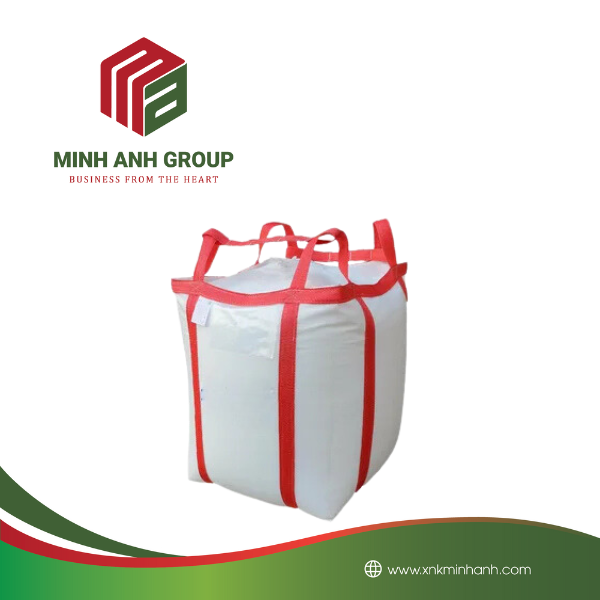
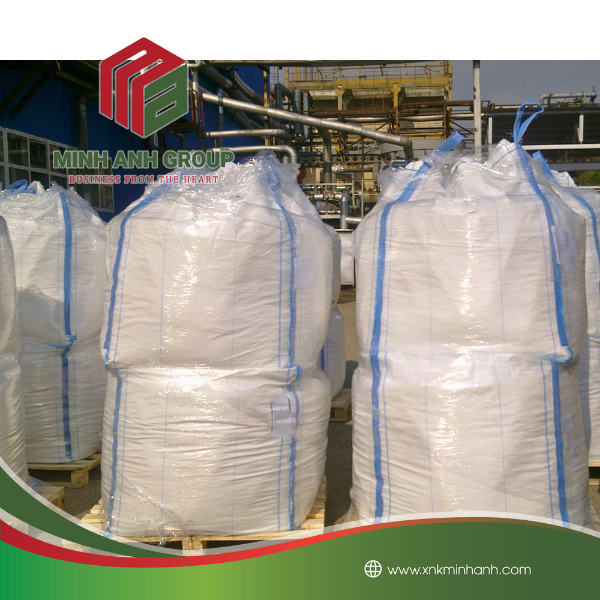
FIBC bags are large, flexible containers made of woven polypropylene or similar materials. They are designed to carry bulk quantities of dry or flowable products. When it comes to hazardous materials, specialized FIBCs are required. These bags are classified into four types based on their electrostatic properties:

1. Type A: Standard FIBCs with no electrostatic protection.
2. Type B: Bags with low breakdown voltage to prevent sparks but no active dissipation of static electricity.
3. Type C: Conductive FIBCs designed to dissipate static electricity safely when grounded.
4. Type D: Anti-static FIBCs that dissipate static charges without requiring grounding.
For hazardous materials, Type C and Type D FIBCs are typically used, depending on the nature of the material and potential risks.

Key Safety Considerations for Transporting Hazardous Materials
1. Compliance with Regulations
The transportation of hazardous materials is strictly regulated by international and regional authorities, such as the United Nations (UN), International Maritime Organization (IMO), and Department of Transportation (DOT). Ensure the FIBC bags comply with UN standards for hazardous goods packaging. These standards include rigorous testing for strength, durability, and resistance to environmental factors.
2. Material Compatibility
Not all hazardous materials can be stored or transported in FIBCs. It is essential to verify that the bag material is compatible with the chemical properties of the hazardous substance. For example, corrosive or reactive substances may require additional liners or coatings within the bag to prevent leakage or chemical reactions.
3. Proper Labeling
Clearly label the FIBC bags with hazard classifications, handling instructions, and emergency response information. Use internationally recognized symbols and markings to ensure that handlers and transport personnel can quickly identify the contents and associated risks.
4. Static Electricity Management
Hazardous materials, particularly those that are flammable or explosive, pose a significant risk of ignition due to static electricity. Use Type C or Type D FIBCs as appropriate:
– Type C FIBCs: Ensure proper grounding during filling and discharging operations.
– Type D FIBCs: Avoid using in environments where conductive surfaces could interfere with their anti-static properties.
5. Weight Limits and Handling
Adhere to the weight capacity specified by the manufacturer. Overloading an FIBC bag can compromise its structural integrity, leading to spills or accidents. Use appropriate lifting equipment, such as forklifts or cranes, with designated loops or sleeves to handle the bags safely.

Steps for Safe Transportation
Step 1: Pre-Transportation Inspection
Before filling the FIBC bags, inspect them for any visible damage, such as tears, punctures, or weakened seams. Damaged bags should not be used for transporting hazardous materials.
Step 2: Filling Procedures
During the filling process:
– Use a clean and controlled environment to prevent contamination.
– Ensure that the bag remains stable during filling.
– Avoid overfilling; leave adequate space to secure the bag properly.
Step 3: Sealing and Securing
Seal the bags tightly using appropriate closures such as spouts or zippers. For added security, consider using tamper-evident seals. Once sealed, secure the bags on pallets using straps or shrink wrap to prevent movement during transit.
Step 4: Transportation and Storage
During transit:
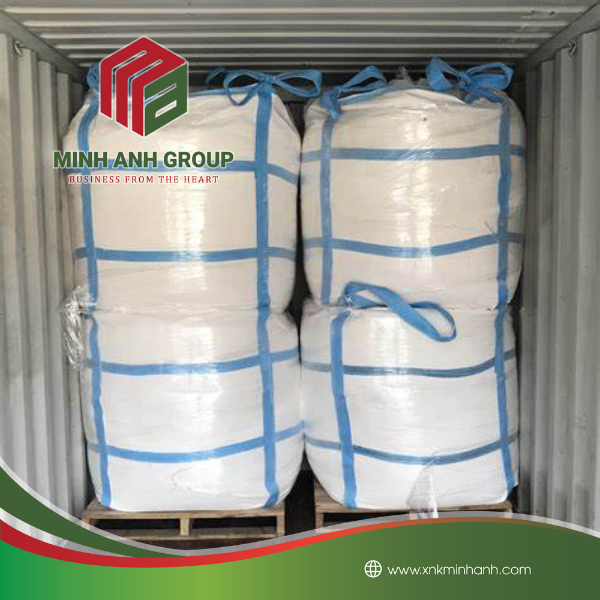
– Ensure that the FIBCs are loaded securely in the transport vehicle.
– Avoid stacking bags beyond recommended limits to prevent instability.
– Store in a dry, well-ventilated area away from direct sunlight or extreme temperatures.
Step 5: Emergency Preparedness
Prepare for potential emergencies by equipping transport vehicles with spill kits, fire extinguishers, and personal protective equipment (PPE). Train personnel on how to respond to spills, leaks, or other incidents involving hazardous materials.
Common Challenges and Solutions
1. Challenge: Risk of spillage during transit.
– Solution: Use lined FIBCs or double-bagging techniques for added containment.
2. Challenge: Static buildup in flammable environments.
– Solution: Choose Type C or Type D FIBCs based on the specific risk factors and ensure proper grounding procedures.
3. Challenge: Regulatory non-compliance.
– Solution: Work closely with suppliers who provide certified UN-compliant FIBCs and stay updated on regulatory changes.
Final Thoughts
Transporting hazardous materials in FIBC bags requires meticulous attention to detail and strict adherence to safety protocols. By selecting the right type of bag, following proper handling procedures, and complying with regulatory standards, you can minimize risks and ensure a safe transportation process. Always prioritize safety over cost-cutting measures when dealing with hazardous materials—protecting lives and the environment is paramount.
Hãy là người đầu tiên nhận xét “How to Safely Transport Hazardous Materials in FIBC Bags”
Sản phẩm tương tự

Tin Tức Bao Bì


Tin Tức Bao Bì

Tin Tức Bao Bì

Tin Tức Bao Bì

Tin Tức Bao Bì

Tin Tức Bao Bì


Đánh giá
Chưa có đánh giá nào.