

How to Ensure the Integrity of Jumbo Bags During Transport

Ensuring the integrity of jumbo bags during transport requires careful planning, adherence to best practices, and attention to detail at every stage of the process. By selecting the right bags, using proper loading and handling techniques, protecting against environmental factors, and training staff effectively, businesses can minimize risks and maintain product quality. Investing time and effort into these measures not only safeguards your goods but also enhances operational efficiency and customer satisfaction.
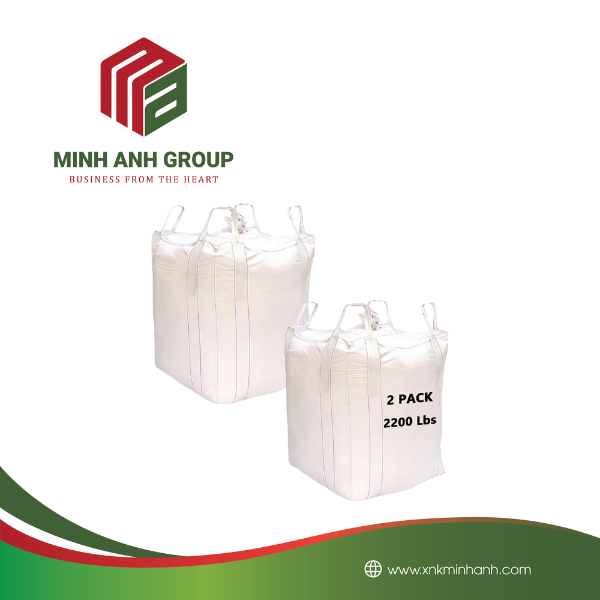
Jumbo bags, also known as FIBCs (Flexible Intermediate Bulk Containers), are widely used in industries such as agriculture, construction, chemicals, and food processing. Their ability to carry large volumes of materials efficiently makes them an essential tool for businesses. However, ensuring their integrity during transport is critical to avoid product loss, contamination, or accidents. Below is a comprehensive guide to maintaining the quality and safety of jumbo bags throughout the transportation process.
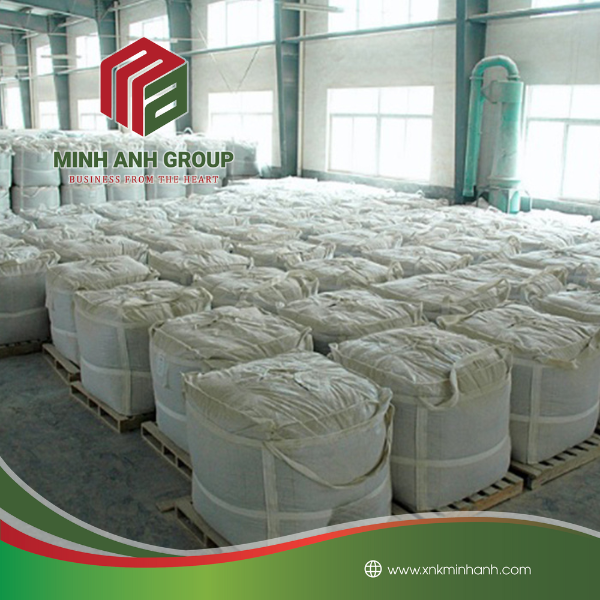
1. Choose the Right Type of Jumbo Bag
The first step in ensuring the integrity of jumbo bags is selecting the appropriate type for your specific application. Jumbo bags come in various designs, sizes, and materials tailored to different needs. Consider the following factors:
– Material Compatibility: Ensure the bag material is suitable for the product being transported. For example, food-grade jumbo bags are required for edible items, while chemical-resistant bags are ideal for hazardous materials.
– Weight Capacity: Choose a bag with a safe working load (SWL) that matches or exceeds the weight of your product.
– Design Features: Depending on the product, you may need bags with specific features such as liners for moisture protection or anti-static properties for flammable goods.
Selecting the right bag reduces the risk of rupture or contamination during transit.
2. Inspect Bags Before Use
Before loading products into jumbo bags, conduct a thorough inspection to identify any potential defects. Look for:
– Tears, holes, or weak seams
– Damaged lifting loops
– Signs of moisture or contamination inside the bag
Using damaged bags can compromise safety and result in material loss during transportation. Always reject bags that do not meet quality standards.

3. Proper Loading Techniques
Incorrect loading practices can strain the bag’s structure and increase the likelihood of failure. Follow these guidelines for proper loading:
– Distribute Weight Evenly: Ensure that the product is evenly distributed within the bag to maintain balance and stability.
– Avoid Overfilling: Never exceed the bag’s maximum weight or volume capacity as specified by the manufacturer.
– Use Liners if Necessary: For fine powders or moisture-sensitive products, insert liners to prevent leakage and protect the contents.
Additionally, train workers on proper handling techniques to minimize stress on the bags during filling.
4. Secure Bags Appropriately
Once loaded, jumbo bags must be securely closed and prepared for transport. This includes:
– Tying or sealing the top spout tightly to prevent spillage.
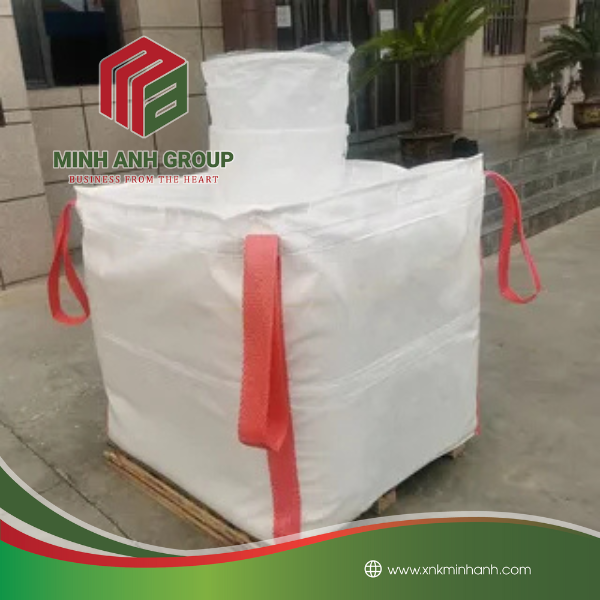
– Ensuring all lifting loops are intact and properly positioned for handling.
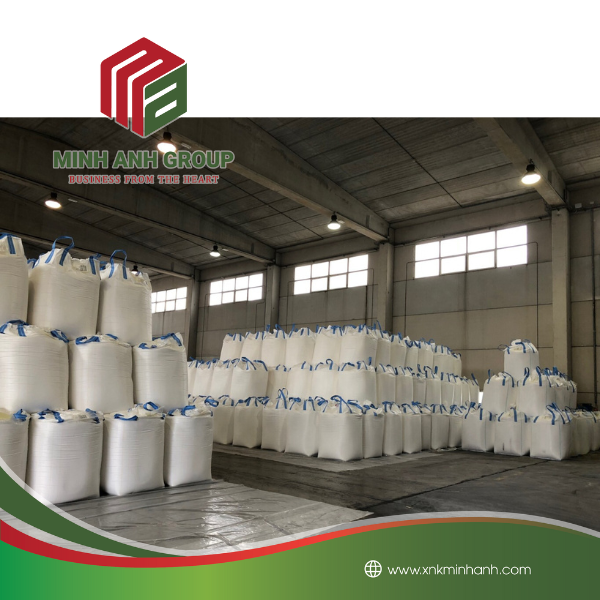
– Stacking bags in a stable configuration if multiple bags are being transported together.
Properly securing the bags prevents movement and damage during transit.
5. Use Suitable Transportation Equipment
The choice of transportation equipment plays a significant role in maintaining the integrity of jumbo bags. Consider the following:
– Flatbed Trucks or Containers: Use clean and dry surfaces to avoid punctures or contamination.
– Pallets: Place jumbo bags on sturdy pallets to facilitate easy handling and prevent direct contact with rough surfaces.
– Forklifts or Cranes: Use appropriate lifting equipment to handle the bags without damaging their loops or fabric.
Ensure that all equipment used is in good condition and compatible with the specifications of your jumbo bags.
6. Protect Against Environmental Factors
Environmental conditions such as moisture, UV exposure, and temperature fluctuations can compromise jumbo bag integrity. Take proactive measures to protect against these risks:
– Moisture Protection: Store and transport jumbo bags in dry conditions. Use tarps or covers if transporting in open vehicles.
– UV Protection: Prolonged exposure to sunlight can weaken bag material. Opt for UV-stabilized bags if outdoor storage or transport is unavoidable.
– Temperature Control: For temperature-sensitive products, consider insulated liners or climate-controlled transportation options.
By mitigating environmental risks, you can preserve both the bag’s structure and its contents.
7. Monitor During Transit
Regular monitoring during transit ensures that any issues are identified and addressed promptly. Check for:
– Shifting or tilting of stacked bags
– Signs of damage or leakage
– Proper positioning within the transport vehicle
If any problems are detected, take corrective action immediately to prevent further damage.
8. Follow Regulatory Standards
Compliance with industry regulations and standards is essential for safe transportation. Ensure that your jumbo bags meet relevant certifications such as ISO 21898 (FIBC safety requirements) or other regional guidelines. Additionally, adhere to specific regulations for transporting hazardous materials if applicable.
Following these standards not only ensures safety but also helps avoid legal complications.
9. Train Staff Thoroughly
Proper training is crucial for everyone involved in handling jumbo bags, from loading personnel to drivers. Training should cover:
– Safe handling practices
– Recognizing signs of bag damage
– Emergency response procedures
Well-trained staff can significantly reduce the risk of accidents and ensure smooth operations.
10. Conduct Post-Transport Inspections
Once the shipment reaches its destination, inspect the jumbo bags before unloading. Look for any signs of wear, tear, or spillage that may have occurred during transit. Document any issues and take steps to address them in future shipments.
Ensuring the integrity of jumbo bags during transport requires careful planning, adherence to best practices, and attention to detail at every stage of the process. By selecting the right bags, using proper loading and handling techniques, protecting against environmental factors, and training staff effectively, businesses can minimize risks and maintain product quality. Investing time and effort into these measures not only safeguards your goods but also enhances operational efficiency and customer satisfaction.
Hãy là người đầu tiên nhận xét “How to Ensure the Integrity of Jumbo Bags During Transport”
Sản phẩm tương tự

Tin Tức Bao Bì

Tin Tức Bao Bì


Tin Tức Bao Bì


Tin Tức Bao Bì

Tin Tức Bao Bì


Đánh giá
Chưa có đánh giá nào.