

Exploring the Different Types of FIBC Bags
Flexible Intermediate Bulk Containers (FIBCs), commonly known as bulk bags or big bags, have become indispensable in various industries for the storage and transportation of dry, flowable products. These versatile containers are especially popular due to their ability to handle large volumes while being cost-effective and environmentally friendly. Understanding the different types of FIBC bags is crucial for businesses seeking to optimize their logistics and material handling processes.
Flexible Intermediate Bulk Containers (FIBCs), commonly known as bulk bags or big bags, have become indispensable in various industries for the storage and transportation of dry, flowable products. These versatile containers are especially popular due to their ability to handle large volumes while being cost-effective and environmentally friendly. Understanding the different types of FIBC bags is crucial for businesses seeking to optimize their logistics and material handling processes.
1. Standard FIBC Bags
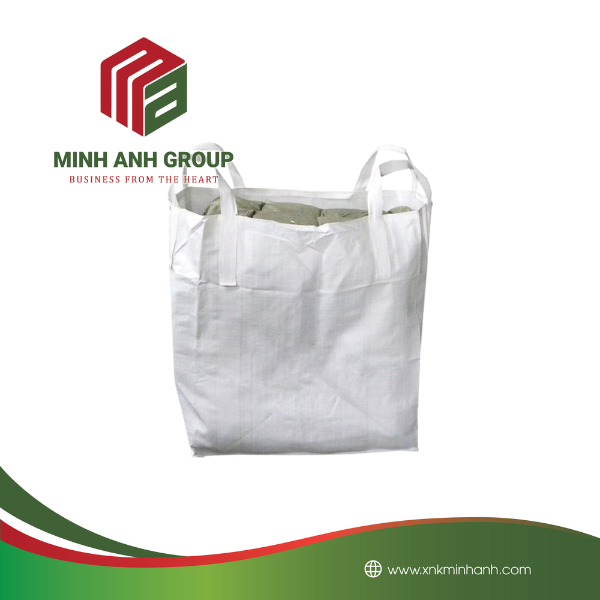
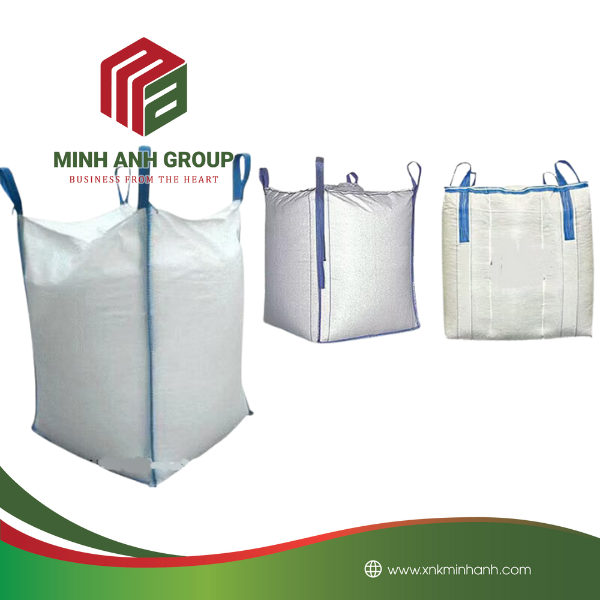
Standard FIBC bags are the most commonly used type, designed for general-purpose applications. These bags are typically made from woven polypropylene fabric, offering durability and flexibility. They are ideal for transporting a wide range of materials, including grains, seeds, fertilizers, and chemicals. Standard FIBC bags usually come with a capacity ranging from 500 to 2000 kilograms and are available in various shapes, such as U-panel, circular, or four-panel designs.
2. Conductive FIBC Bags (Type C)
Conductive FIBC bags, also known as Type C bags, are designed for safely handling flammable powders or when working in environments where flammable gases, vapors, or combustible dust are present. These bags are made from fabric interwoven with conductive threads, which must be grounded during filling and discharge to prevent static electricity build-up.
3. Anti-Static FIBC Bags (Type D)
Type D FIBC bags are crafted from anti-static or static dissipative fabric that does not require grounding. These bags are ideal for transporting flammable materials in environments where grounding is impractical. The fabric is designed to safely dissipate static electricity into the atmosphere through a process known as corona discharge.
4. Food-Grade FIBC Bags
Food-grade FIBC bags are manufactured under stringent conditions to meet the hygiene standards required for food products. These bags are made from virgin polypropylene resin and produced in cleanroom environments to ensure they are free from contaminants. Food-grade FIBCs are used for transporting consumables such as sugar, flour, and other food ingredients.
5. UN Certified FIBC Bags
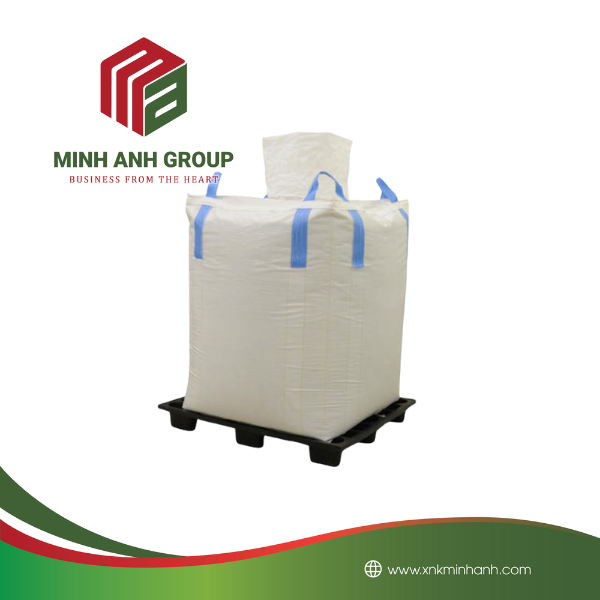
For the transportation of hazardous materials, UN certified FIBC bags are essential. These bags comply with United Nations regulations for the safe transport of dangerous goods. They undergo rigorous testing to ensure they can withstand the stresses of handling and transport without failing.
6. Ventilated FIBC Bags
Ventilated FIBC bags are designed with breathable fabric or panels to allow air circulation. These bags are ideal for transporting products that need ventilation, such as potatoes, onions, and firewood. The design helps prevent spoilage by reducing moisture build-up inside the bag.
7. Baffle FIBC Bags
Baffle FIBC bags incorporate internal baffles that help maintain the bag’s shape when filled, improving stability and space utilization during storage and transport. This design is particularly beneficial for maximizing space in shipping containers or warehouses.
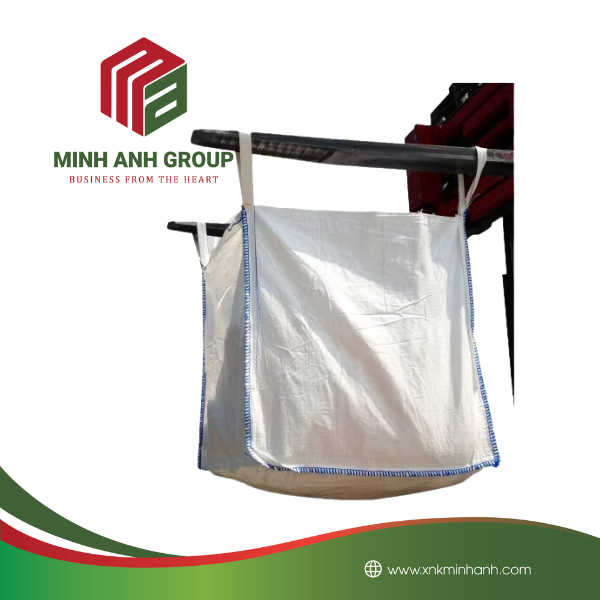
Selecting the right type of FIBC bag is critical for ensuring the safe and efficient transport of materials across various industries. Each type offers unique features tailored to specific applications, from handling hazardous goods to maintaining food safety standards. By understanding the characteristics and benefits of each type of FIBC bag, businesses can make informed decisions that enhance their operational efficiency and safety protocols.
Hãy là người đầu tiên nhận xét “Exploring the Different Types of FIBC Bags”
Sản phẩm tương tự

Tin Tức Bao Bì

Tin Tức Bao Bì

Tin Tức Bao Bì

Tin Tức Bao Bì

Tin Tức Bao Bì


Tin Tức Bao Bì


Đánh giá
Chưa có đánh giá nào.