
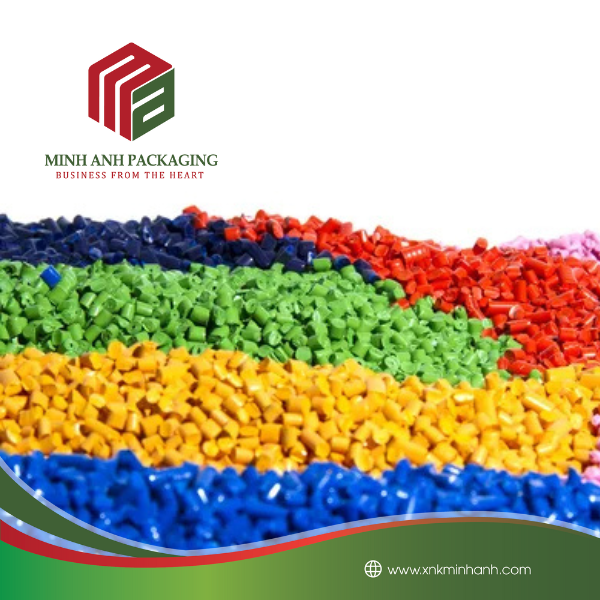
Plastic Granules and Their Role in Automotive Manufacturing

Plastic granules play a crucial role in the automotive manufacturing industry, serving as the raw material for various plastic components used in vehicles. These granules are produced through a process called polymerization, where small, uniform pellets are created from different types of polymers such as polyethylene, polypropylene, and polystyrene. The use of plastic granules in automotive manufacturing has become increasingly prevalent due to their versatility, durability, and cost-effectiveness.
Plastic granules play a crucial role in the automotive manufacturing industry, serving as the raw material for various plastic components used in vehicles. These granules are produced through a process called polymerization, where small, uniform pellets are created from different types of polymers such as polyethylene, polypropylene, and polystyrene. The use of plastic granules in automotive manufacturing has become increasingly prevalent due to their versatility, durability, and cost-effectiveness.
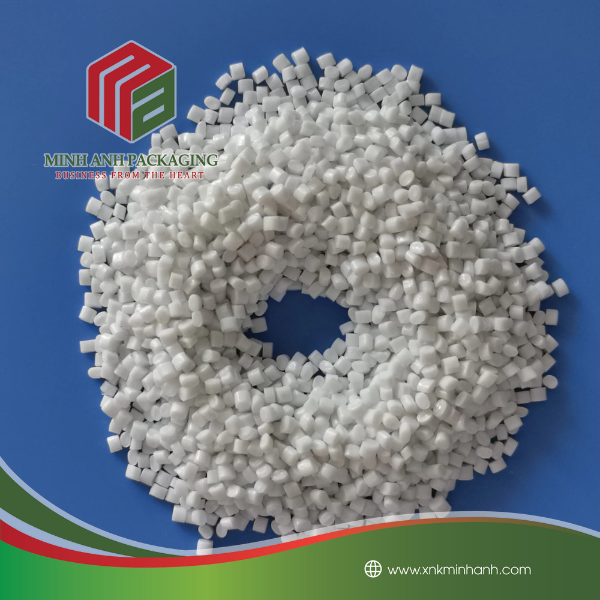
One of the key advantages of using plastic granules in automotive manufacturing is their ability to be molded into complex shapes and sizes, allowing for the production of intricate components such as bumpers, dashboards, and interior trims. This flexibility in design is essential for meeting the diverse requirements of modern vehicle designs while ensuring structural integrity and safety standards are met.
In addition to their versatility, plastic granules offer significant weight savings compared to traditional materials such as metal. This weight reduction contributes to improved fuel efficiency and lower emissions, aligning with the automotive industry’s focus on sustainability and environmental responsibility. Furthermore, the use of plastic granules enables manufacturers to achieve cost savings without compromising on quality, making it an attractive option for mass production of automotive components.
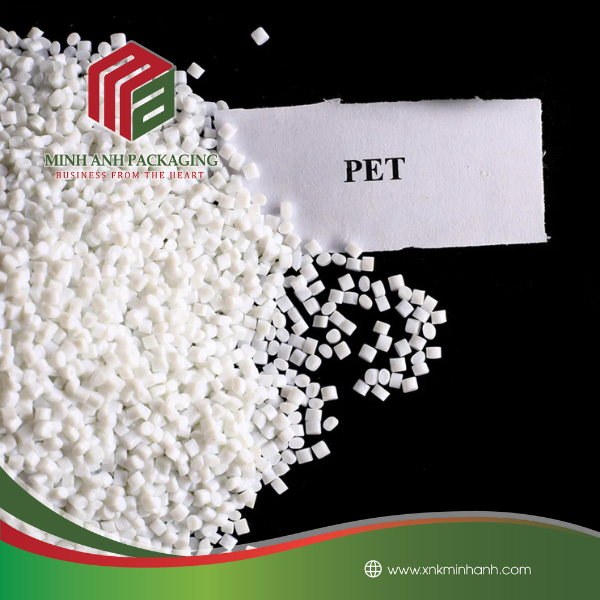
Moreover, plastic granules provide excellent resistance to corrosion, chemicals, and impact, ensuring the longevity and reliability of automotive parts. This durability is particularly important for exterior components exposed to harsh environmental conditions, as well as interior parts that are subject to frequent wear and tear. By incorporating plastic granules into the manufacturing process, automakers can enhance the overall performance and lifespan of their vehicles.
The process of incorporating plastic granules into automotive manufacturing involves several stages, starting with the selection of suitable polymer materials based on the specific requirements of the component being produced. The chosen plastic granules are then melted and injected into molds using specialized equipment, where they solidify and take on the desired shape. This injection molding process allows for high precision and repeatability, ensuring consistent quality across mass production runs.

As automotive manufacturers continue to innovate and develop advanced technologies, the demand for specialized plastic granules with enhanced properties has grown. For instance, the development of high-strength and heat-resistant plastic granules has enabled the production of components that can withstand extreme operating conditions, such as engine compartments and underbody parts. Additionally, the use of recycled plastic granules has gained traction as part of sustainable manufacturing practices, contributing to the circular economy and reducing environmental impact.
Furthermore, advancements in material science have led to the introduction of reinforced plastic granules, incorporating materials such as glass fibers or carbon fibers to enhance strength and rigidity. These reinforced granules are utilized in critical structural components, including chassis parts and safety features, where superior mechanical properties are essential for ensuring vehicle performance and occupant protection.
In conclusion, plastic granules play a pivotal role in automotive manufacturing by offering a versatile, cost-effective, and sustainable solution for producing a wide range of components. Their ability to meet stringent performance requirements while enabling creative design possibilities positions them as a fundamental material in shaping the future of vehicle innovation. As the automotive industry continues to evolve, the ongoing development of advanced plastic granules will undoubtedly drive further advancements in vehicle technology and efficiency.
Hãy là người đầu tiên nhận xét “Plastic Granules and Their Role in Automotive Manufacturing”
Sản phẩm tương tự

Tin Tức Bao Bì

Tin Tức Bao Bì

Tin Tức Bao Bì


Tin Tức Bao Bì


Tin Tức Bao Bì

Tin Tức Bao Bì


Đánh giá
Chưa có đánh giá nào.