

The Science Behind Biodegradable Mailers: A Sustainable Breakdown
To comprehend the science behind biodegradable mailers, it is essential to first understand what “biodegradable” means. A material is considered biodegradable if it can be broken down by microorganisms—such as bacteria, fungi, or algae—into natural elements like water, carbon dioxide, and biomass within a relatively short period under environmental conditions.
In recent years, the global shift toward sustainability has driven significant innovation in packaging materials. Among these advancements, biodegradable mailers have emerged as a promising solution to the environmental challenges posed by traditional plastic packaging. As e-commerce continues to grow at an unprecedented rate, the need for eco-friendly alternatives has never been more urgent. But what exactly makes biodegradable mailers a sustainable choice, and how do they work? Let’s delve into the science behind these products and explore their role in fostering a more sustainable future.
Understanding Biodegradability
To comprehend the science behind biodegradable mailers, it is essential to first understand what “biodegradable” means. A material is considered biodegradable if it can be broken down by microorganisms—such as bacteria, fungi, or algae—into natural elements like water, carbon dioxide, and biomass within a relatively short period under environmental conditions.
Biodegradability depends on the molecular structure of the material. Traditional plastics, derived from petroleum-based polymers, are designed for durability and can take hundreds of years to decompose. In contrast, biodegradable materials are engineered with chemical structures that microorganisms can easily digest, accelerating the breakdown process.
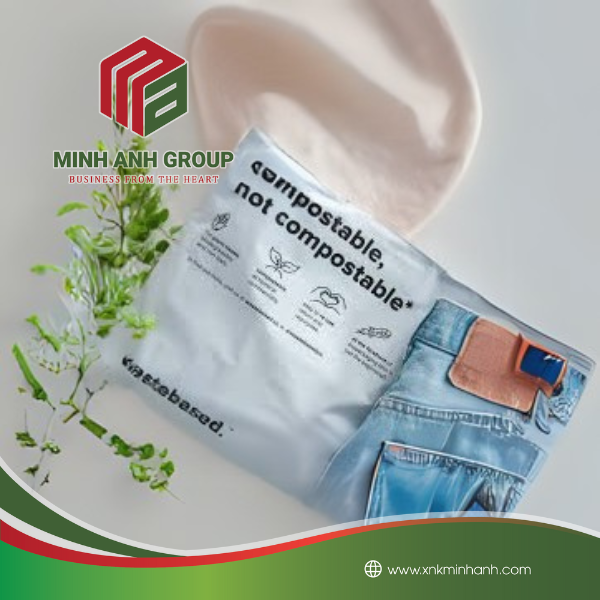
Materials Used in Biodegradable Mailers
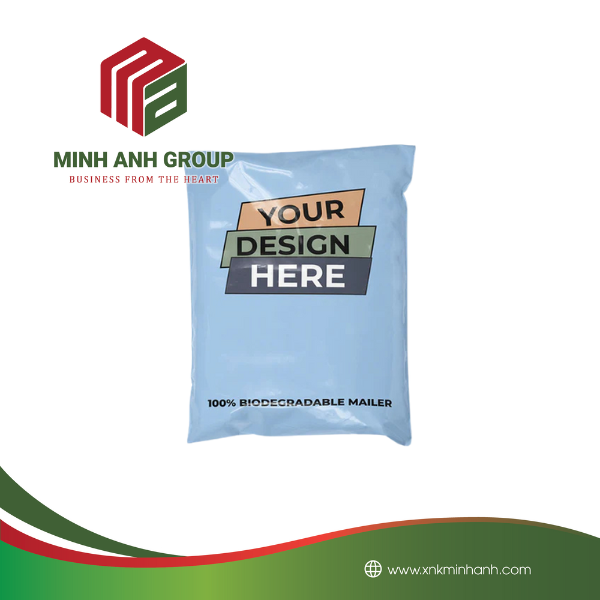
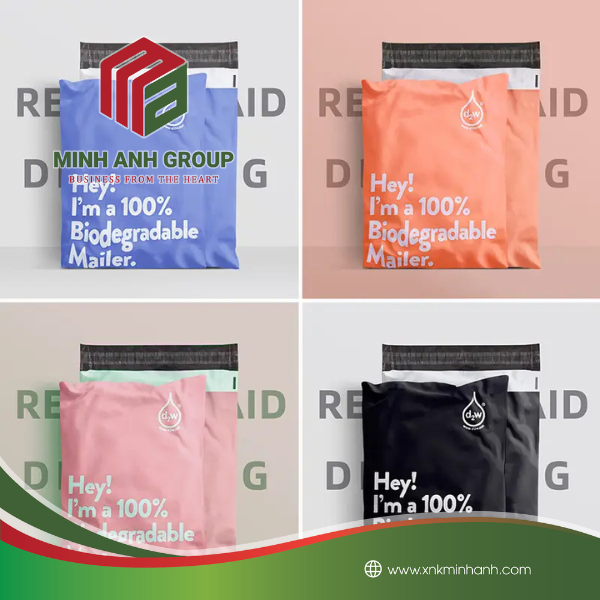
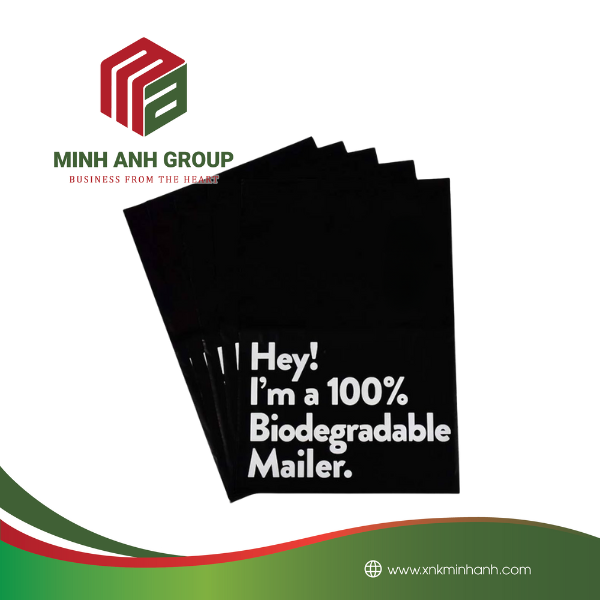
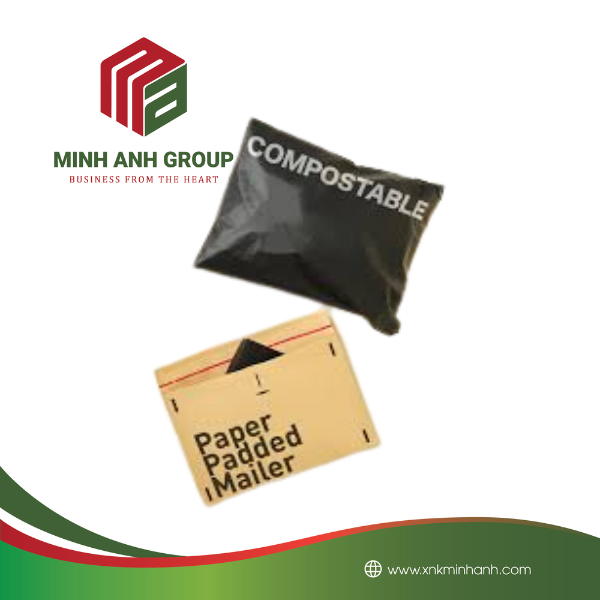
Biodegradable mailers are typically made from plant-based or renewable materials, offering a more sustainable alternative to conventional plastic. Some common materials include:
1. Polylactic Acid (PLA): Derived from fermented plant sugars, usually sourced from corn starch or sugarcane, PLA is a popular biopolymer used in biodegradable packaging. It is compostable under industrial conditions and breaks down into natural components within months.
2. Polybutylene Adipate Terephthalate (PBAT): Often blended with PLA, PBAT is a biodegradable polymer that enhances flexibility and durability while maintaining compostability.
3. Starch-Based Polymers: These are made from natural starches extracted from crops like potatoes or corn. They are often combined with other biopolymers to improve strength and functionality.
4. Paper and Cardboard: Some biodegradable mailers incorporate recycled paper or cardboard as part of their structure. These materials decompose naturally and are widely recyclable.
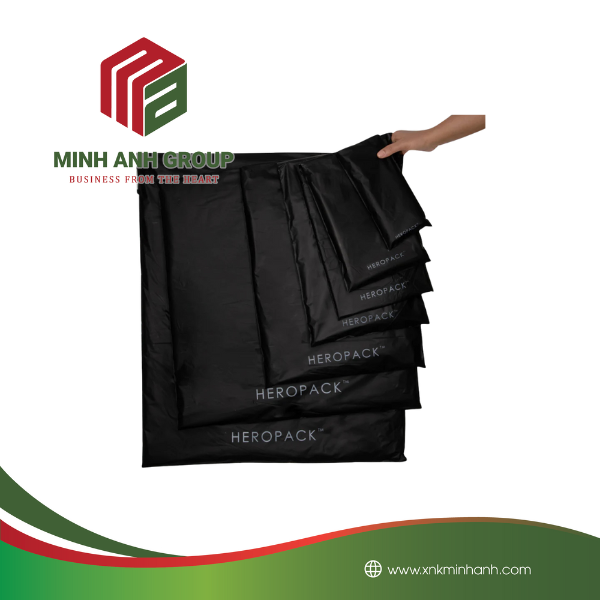
The choice of material often depends on the intended application, desired durability, and end-of-life disposal options.
The Breakdown Process
The degradation of biodegradable mailers occurs through a series of natural processes:
1. Microbial Action: Microorganisms in the environment secrete enzymes that break down the polymer chains in biodegradable materials. This process releases energy for microbial growth.
2. Hydrolysis: In some cases, water molecules play a critical role by breaking the chemical bonds in the material, making it easier for microorganisms to digest.
3. Composting: Under controlled composting conditions—such as those found in industrial facilities—biodegradable mailers decompose faster due to optimal levels of heat, moisture, and microbial activity. Home composting may take longer but can still break down certain types of biodegradable mailers.
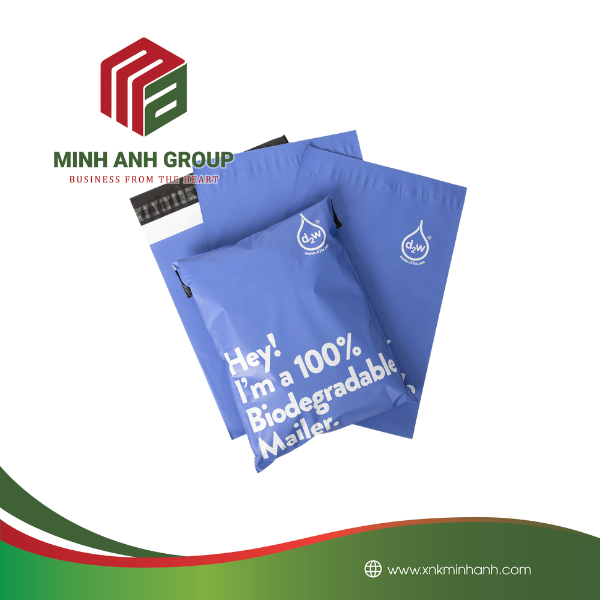
The end products of this process are water, carbon dioxide (or methane in anaerobic conditions), and biomass, which can be reintegrated into the ecosystem without harmful residues.
Advantages of Biodegradable Mailers
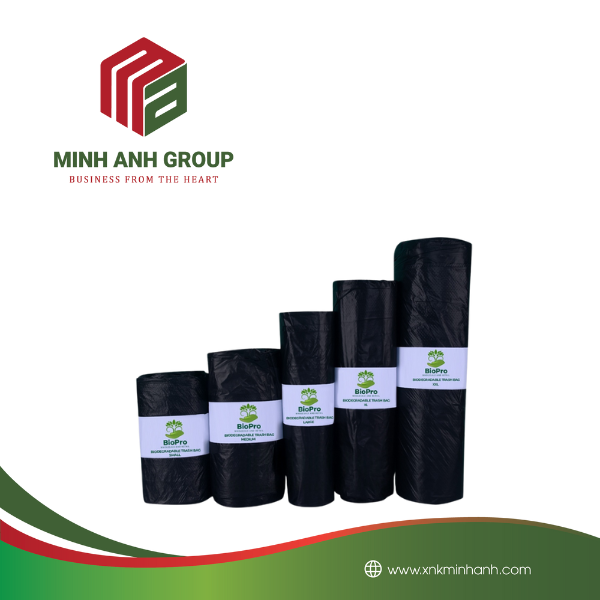
Biodegradable mailers offer several environmental benefits compared to traditional plastic packaging:
1. Reduced Plastic Pollution: Unlike conventional plastics that persist in the environment for centuries, biodegradable mailers break down relatively quickly, reducing the accumulation of waste in landfills and oceans.
2. Lower Carbon Footprint: Many biodegradable materials are derived from renewable resources like plants, which absorb carbon dioxide during their growth phase. This can offset some of the emissions associated with production.
3. Compostability: Biodegradable mailers that meet composting standards can contribute to nutrient-rich compost when disposed of correctly, supporting soil health and reducing waste.
4. Consumer Appeal: As sustainability becomes a priority for consumers, businesses that adopt biodegradable packaging can enhance their brand image and align with environmentally conscious values.
Challenges and Considerations
While biodegradable mailers offer numerous advantages, they are not without challenges:
1. Composting Infrastructure: Many biodegradable materials require industrial composting facilities to break down efficiently. However, access to such facilities is limited in many regions, leading to improper disposal.
2. Misleading Labels: The term “biodegradable” can sometimes be misleading if not clearly defined. For instance, some materials labeled as biodegradable may only degrade under specific conditions, which may not occur in natural environments.
3. Cost: Biodegradable mailers are often more expensive to produce than traditional plastic alternatives due to the cost of raw materials and manufacturing processes.
4. Performance Limitations: While advancements have improved the durability of biodegradable materials, they may not always match the strength or water resistance of conventional plastics.
5. End-of-Life Confusion: Consumers may struggle to differentiate between biodegradable and recyclable materials, leading to improper disposal and contamination of recycling streams.
The Role of Standards and Certifications
To address these challenges, international standards and certifications play a crucial role in ensuring transparency and accountability. Certifications such as ASTM D6400 (U.S.), EN 13432 (Europe), and AS 4736 (Australia) establish criteria for biodegradability and compostability. Products meeting these standards must demonstrate that they break down within a specified timeframe and leave no toxic residues behind.
Businesses adopting biodegradable mailers should prioritize certified products to ensure their claims align with environmental standards and consumer expectations.
The Future of Biodegradable Packaging
The development of biodegradable mailers represents a significant step toward reducing the environmental impact of packaging waste. However, their success depends on continued innovation, consumer education, and investment in waste management infrastructure.
Emerging technologies are exploring ways to enhance the properties of biodegradable materials while reducing costs. For example, advances in bioengineering could enable the production of biopolymers from non-food sources like agricultural waste or algae, minimizing competition with food crops.
Additionally, public awareness campaigns can help consumers make informed choices about disposal methods, ensuring that biodegradable mailers fulfill their intended purpose.
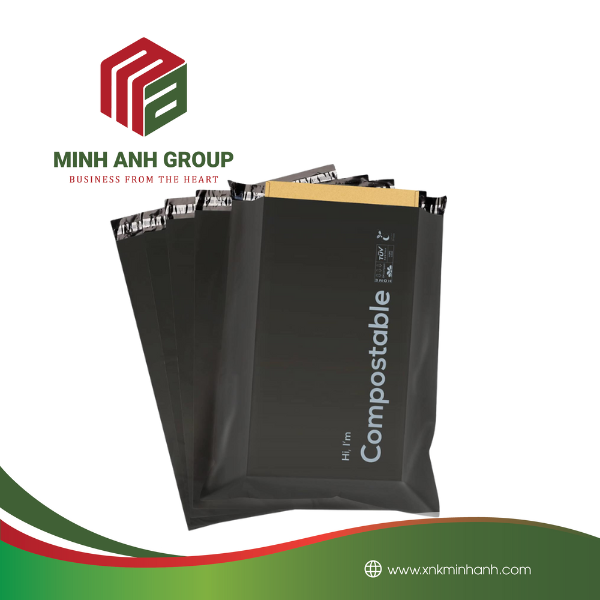
Biodegradable mailers exemplify how science and innovation can address pressing environmental challenges. By leveraging renewable resources and harnessing natural decomposition processes, these products offer a sustainable alternative to traditional plastic packaging. However, realizing their full potential requires collaboration among manufacturers, policymakers, waste management systems, and consumers.
As we move toward a circular economy where waste is minimized and resources are reused, biodegradable mailers serve as a reminder that small changes in everyday practices can contribute to a healthier planet for future generations.
Hãy là người đầu tiên nhận xét “The Science Behind Biodegradable Mailers: A Sustainable Breakdown”
Sản phẩm tương tự

Tin Tức Bao Bì


Tin Tức Bao Bì

Tin Tức Bao Bì


Tin Tức Bao Bì

Tin Tức Bao Bì


Đánh giá
Chưa có đánh giá nào.