
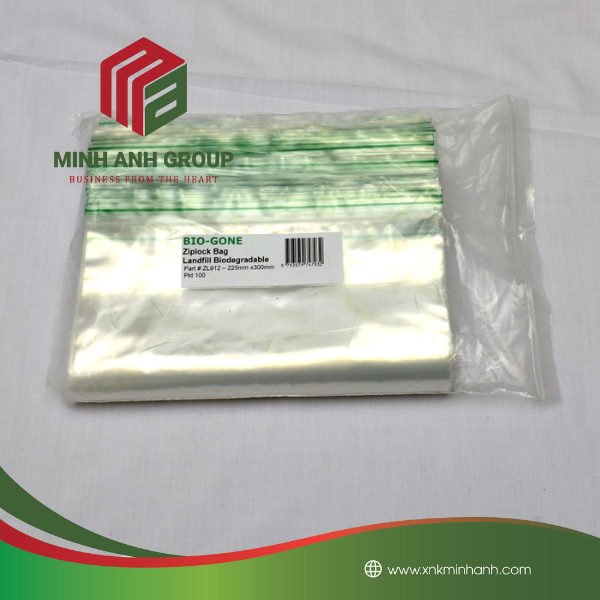
Biodegradable Ziplock Bags: A Sustainable Alternative to Traditional Plastic Bags
In recent years, the global community has become increasingly aware of the environmental impact of plastic waste. As a result, there is a growing demand for sustainable alternatives to traditional plastic products. One such innovation is biodegradable Ziplock bags, which offer a promising solution to the plastic pollution problem. This article explores the benefits, challenges, and future prospects of biodegradable Ziplock bags as a sustainable alternative to conventional plastic bags.
In recent years, the global community has become increasingly aware of the environmental impact of plastic waste. As a result, there is a growing demand for sustainable alternatives to traditional plastic products. One such innovation is biodegradable Ziplock bags, which offer a promising solution to the plastic pollution problem. This article explores the benefits, challenges, and future prospects of biodegradable Ziplock bags as a sustainable alternative to conventional plastic bags.
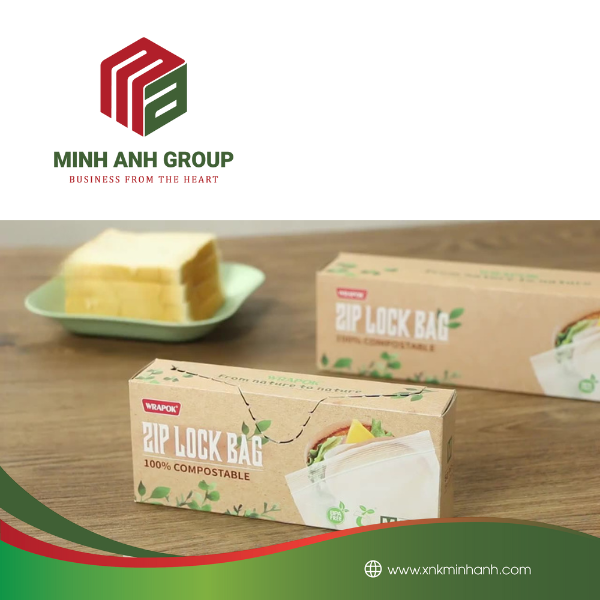
Understanding Biodegradable Ziplock Bags
Biodegradable Ziplock bags are designed to break down naturally in the environment, reducing the long-term impact of plastic waste. Unlike traditional plastic bags, which can take hundreds of years to decompose, biodegradable bags are made from materials that allow them to decompose more rapidly when exposed to natural elements such as sunlight, air, and moisture. These materials include plant-based polymers like polylactic acid (PLA), polyhydroxyalkanoates (PHA), and other compostable compounds.
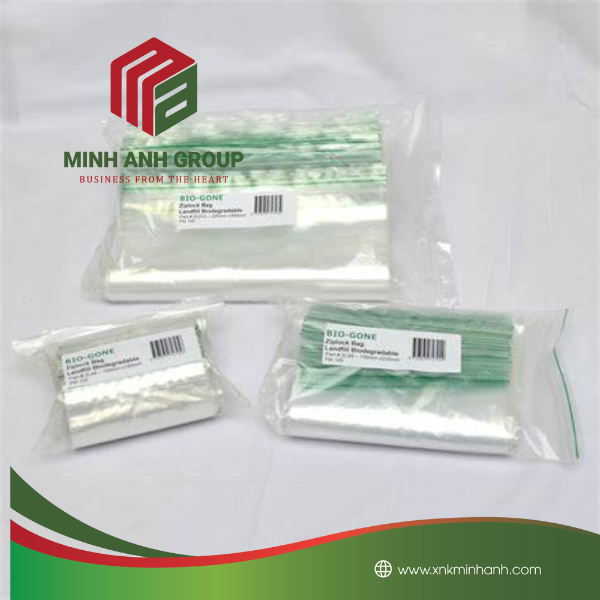
Benefits of Biodegradable Ziplock Bags
1. Environmental Impact: The primary advantage of biodegradable Ziplock bags is their reduced environmental footprint. By using materials that decompose naturally, these bags help minimize the accumulation of plastic waste in landfills and oceans, thereby preserving ecosystems and wildlife.
2. Resource Efficiency: Biodegradable bags are often made from renewable resources, such as corn starch or sugarcane. This reduces reliance on fossil fuels and contributes to a more sustainable production cycle.
3. Consumer Appeal: As consumers become more environmentally conscious, they are increasingly seeking products that align with their values. Biodegradable Ziplock bags cater to this demand by offering a practical and eco-friendly alternative for everyday use.
4. Regulatory Compliance: With governments around the world implementing stricter regulations on plastic use, biodegradable options provide businesses with a way to comply with environmental standards while maintaining product functionality.
Challenges Facing Biodegradable Ziplock Bags
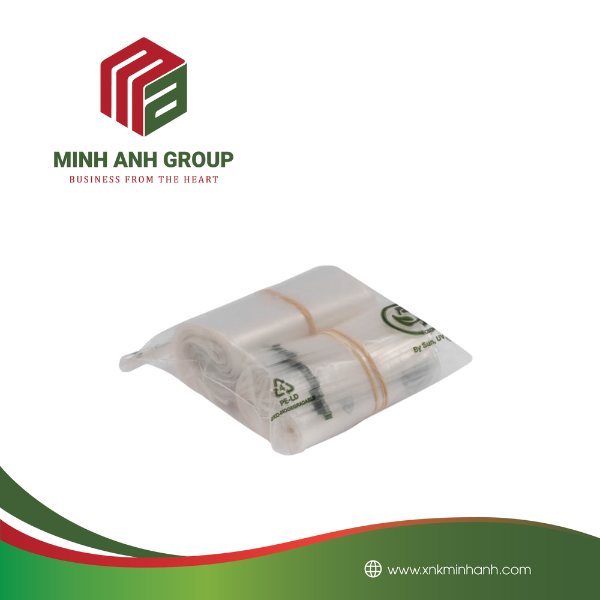
Despite their advantages, biodegradable Ziplock bags face several challenges that need to be addressed:
1. Cost: The production of biodegradable materials can be more expensive than traditional plastics, which may result in higher costs for consumers. However, as technology advances and economies of scale are achieved, these costs are expected to decrease.
2. Performance: Although biodegradable bags are designed to mimic the functionality of traditional Ziplock bags, some consumers may find differences in durability or strength. Continued research and development are necessary to enhance the performance of these products.
3. Composting Infrastructure: For biodegradable bags to decompose effectively, they require access to industrial composting facilities. In regions where such infrastructure is lacking, the environmental benefits may not be fully realized.
Future Prospects
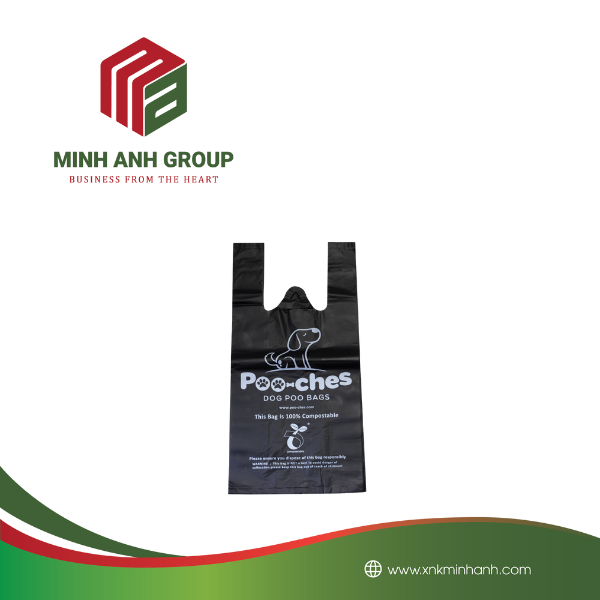
The future of biodegradable Ziplock bags looks promising as technological advancements continue to improve their performance and affordability. Research into new materials and production methods is likely to yield even more efficient and eco-friendly solutions. Additionally, increased awareness and demand for sustainable products will drive innovation and investment in this sector.
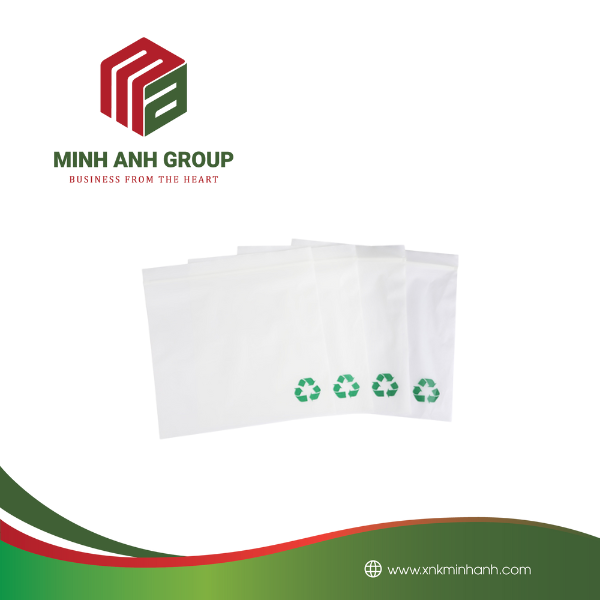
Businesses can play a crucial role in promoting the adoption of biodegradable Ziplock bags by incorporating them into their product lines and educating consumers about their benefits. Collaboration between manufacturers, retailers, and policymakers will be essential to overcome existing challenges and expand composting infrastructure.
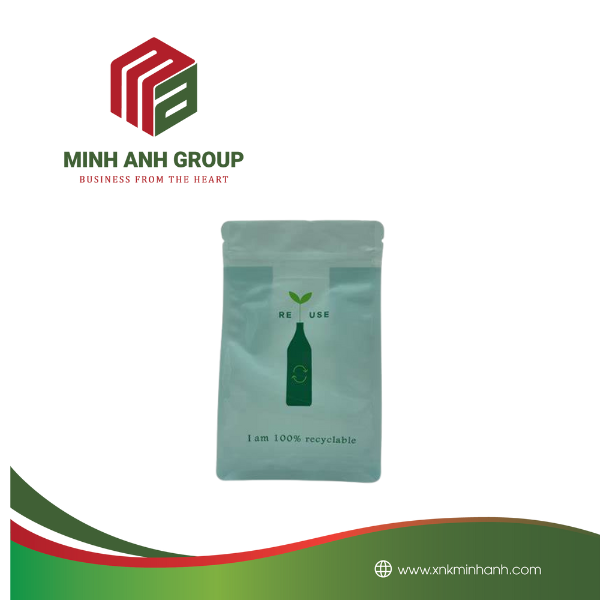
Biodegradable Ziplock bags represent a significant step forward in addressing the environmental impact of plastic waste. While challenges remain, ongoing research and development offer hope for more sustainable solutions in the future. By embracing biodegradable alternatives, consumers and businesses alike can contribute to a healthier planet while enjoying the convenience and functionality of Ziplock bags. As awareness grows and technology advances, biodegradable Ziplock bags are poised to become an integral part of everyday life, paving the way for a more sustainable future.
Hãy là người đầu tiên nhận xét “Biodegradable Ziplock Bags: A Sustainable Alternative to Traditional Plastic Bags”
Sản phẩm tương tự


Tin Tức Bao Bì

Tin Tức Bao Bì

Tin Tức Bao Bì

Tin Tức Bao Bì


Tin Tức Bao Bì
Food Cling Film: Outstanding Advantages in Food Preservation

Tin Tức Bao Bì


Đánh giá
Chưa có đánh giá nào.