

The Environmental Benefits of Using Reusable FIBC Bags
The production of single-use packaging materials requires substantial amounts of raw materials and energy. By choosing reusable FIBC bags, businesses can conserve these valuable resources. FIBCs are typically made from durable materials such as woven polypropylene, which can withstand multiple cycles of use without significant degradation. This durability means fewer resources are needed over time, as fewer bags are required to perform the same tasks. Consequently, this leads to a decrease in the demand for raw materials and energy consumption associated with manufacturing.
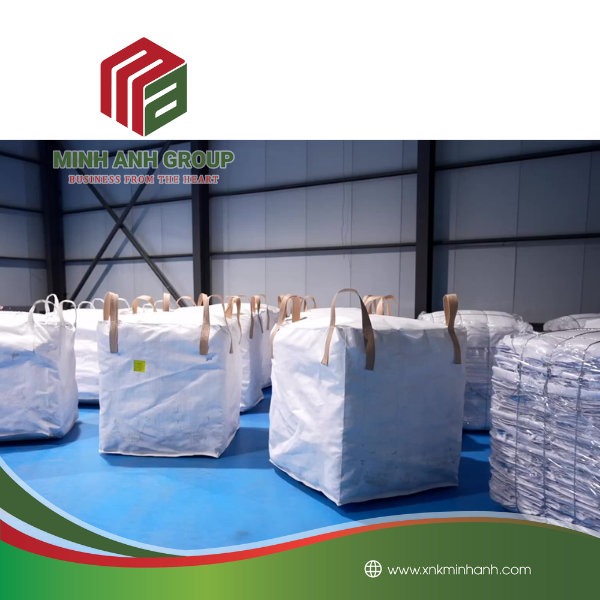
In recent years, the focus on sustainable practices has intensified across various industries, driven by the urgent need to address environmental challenges. Among the myriad of strategies to reduce ecological footprints, the adoption of reusable Flexible Intermediate Bulk Containers (FIBCs), also known as bulk bags, stands out as a significant step towards sustainability. These versatile containers are used extensively in industries such as agriculture, construction, and manufacturing for the transportation and storage of bulk materials. Here, we explore the environmental benefits of using reusable FIBC bags and how they contribute to a more sustainable future.

Reduction in Waste
One of the primary environmental benefits of using reusable FIBC bags is the significant reduction in waste. Traditional packaging materials such as single-use plastic bags, paper sacks, and cardboard boxes often end up in landfills after a single use. In contrast, reusable FIBC bags are designed for multiple uses, significantly extending their lifespan and decreasing the volume of waste generated. By opting for FIBCs, companies can minimize their contribution to landfill waste, thereby reducing the environmental impact associated with disposal processes.
Conservation of Resources
The production of single-use packaging materials requires substantial amounts of raw materials and energy. By choosing reusable FIBC bags, businesses can conserve these valuable resources. FIBCs are typically made from durable materials such as woven polypropylene, which can withstand multiple cycles of use without significant degradation. This durability means fewer resources are needed over time, as fewer bags are required to perform the same tasks. Consequently, this leads to a decrease in the demand for raw materials and energy consumption associated with manufacturing.

Lower Carbon Footprint
The environmental impact of transportation is a crucial consideration for many industries. Reusable FIBC bags contribute to a lower carbon footprint in several ways. Firstly, their lightweight nature compared to traditional packaging solutions means less fuel is required for transportation, leading to reduced greenhouse gas emissions. Secondly, because FIBCs can be reused multiple times, fewer shipments of packaging materials are needed over a product’s lifecycle. This reduction in transportation frequency further decreases carbon emissions associated with logistics.
Enhanced Resource Efficiency
FIBC bags are designed to optimize space utilization during storage and transportation. Their flexible structure allows them to conform to the shape of the contents, maximizing the volume that can be transported in a single trip. This efficient use of space not only reduces the number of trips required but also minimizes energy consumption during transport. By improving resource efficiency, companies can achieve cost savings while simultaneously reducing their environmental impact.
Support for Circular Economy
The concept of a circular economy emphasizes reducing waste and making the most of resources by keeping products and materials in use for as long as possible. Reusable FIBC bags align well with this model by promoting reuse rather than disposal. At the end of their useful life, FIBCs can often be recycled into new products, further extending their lifecycle and reducing the need for virgin materials. This supports a closed-loop system where resources are continuously cycled through the economy rather than being discarded.
Reduction in Pollution
The manufacturing processes for single-use packaging materials often involve the release of pollutants into the environment. By decreasing reliance on these materials through the use of reusable FIBC bags, companies can help reduce pollution levels. Additionally, since fewer bags are needed over time, there is a corresponding decrease in the production-related emissions and pollutants released into the air and water.

Encouragement of Sustainable Practices
The adoption of reusable FIBC bags sends a strong message about a company’s commitment to sustainability. By integrating environmentally friendly practices into their operations, businesses can enhance their brand image and appeal to environmentally conscious consumers. This not only boosts corporate reputation but also encourages other companies to follow suit, creating a ripple effect that promotes widespread adoption of sustainable practices across industries.
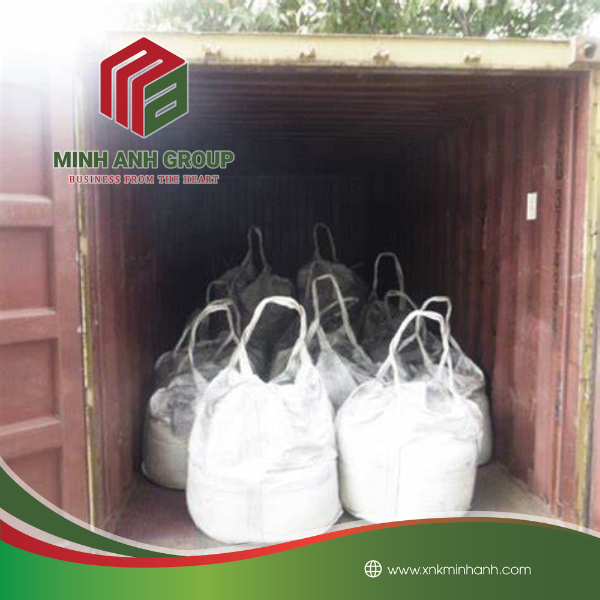
The environmental benefits of using reusable FIBC bags are manifold and align with global efforts to promote sustainability. By reducing waste, conserving resources, lowering carbon footprints, enhancing resource efficiency, supporting circular economies, reducing pollution, and encouraging sustainable practices, FIBCs offer a compelling solution for businesses seeking to minimize their environmental impact. As industries continue to evolve towards more sustainable models, the role of reusable packaging solutions like FIBC bags will undoubtedly become increasingly important in achieving long-term ecological balance.
Hãy là người đầu tiên nhận xét “The Environmental Benefits of Using Reusable FIBC Bags”
Sản phẩm tương tự

Tin Tức Bao Bì

Tin Tức Bao Bì

Tin Tức Bao Bì

Tin Tức Bao Bì

Tin Tức Bao Bì


Tin Tức Bao Bì

Tin Tức Bao Bì


Đánh giá
Chưa có đánh giá nào.