
How FIBC Bags Contribute to Sustainable Packaging

In recent years, the global emphasis on sustainability has significantly influenced the packaging industry. As businesses and consumers become increasingly aware of environmental concerns, the demand for sustainable packaging solutions has surged. Flexible Intermediate Bulk Containers (FIBC) bags have emerged as a viable solution, offering both practicality and environmental benefits. This article explores how FIBC bags contribute to sustainable packaging and why they are becoming an integral part of eco-friendly logistics.
In recent years, the global emphasis on sustainability has significantly influenced the packaging industry. As businesses and consumers become increasingly aware of environmental concerns, the demand for sustainable packaging solutions has surged. Flexible Intermediate Bulk Containers (FIBC) bags have emerged as a viable solution, offering both practicality and environmental benefits. This article explores how FIBC bags contribute to sustainable packaging and why they are becoming an integral part of eco-friendly logistics.
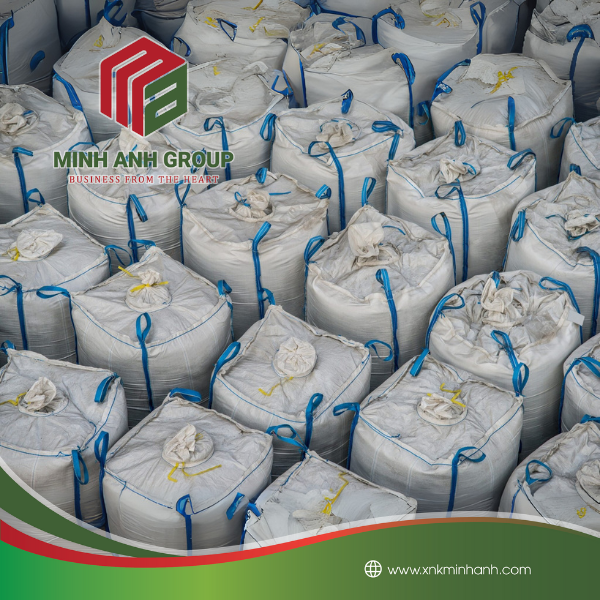
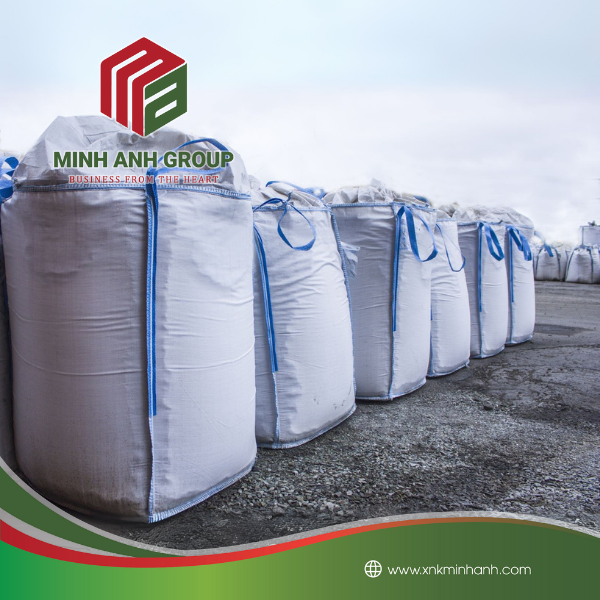
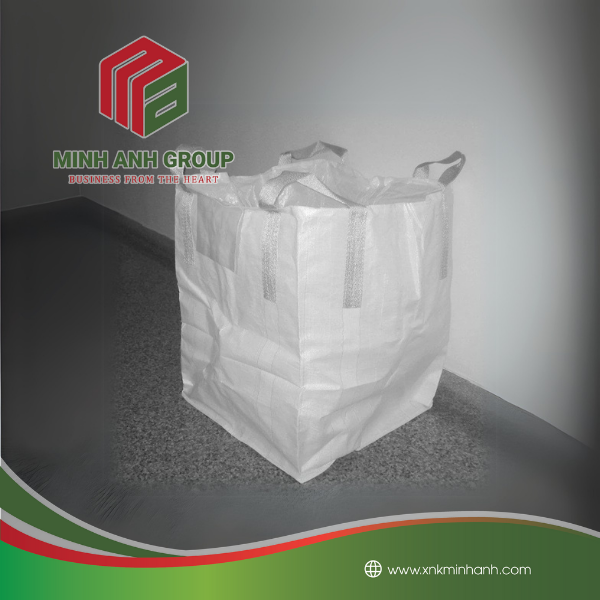
FIBC bags, commonly known as bulk bags or big bags, are large, flexible containers made from woven polypropylene fabric. They are designed to store and transport dry, flowable products such as grains, seeds, chemicals, and construction materials. These bags can hold a substantial amount of weight, typically ranging from 500 kg to 2000 kg, making them ideal for bulk handling.
1. Reusability and Durability
One of the primary sustainability benefits of FIBC bags is their reusability. Unlike single-use packaging materials, FIBC bags can be used multiple times if handled correctly. Their robust construction ensures durability, allowing them to withstand harsh handling conditions without compromising integrity. This reusability reduces the need for frequent production of new packaging materials, thereby conserving resources and minimizing waste.
2. Reduced Carbon Footprint
The lightweight nature of FIBC bags contributes to a lower carbon footprint during transportation. Compared to rigid containers like drums or crates, FIBC bags occupy less space and weight when empty, leading to more efficient shipping and reduced fuel consumption. This efficiency not only lowers transportation costs but also decreases greenhouse gas emissions, aligning with global efforts to combat climate change.
3. Space Optimization
FIBC bags are designed to maximize storage space. Their flexible structure allows them to conform to the shape of the stored material, optimizing space utilization in warehouses and during transportation. This space efficiency means fewer trips are required to transport the same volume of goods, further reducing emissions and energy consumption.
4. Recyclability
Polypropylene, the primary material used in manufacturing FIBC bags, is recyclable. At the end of their lifecycle, these bags can be recycled into new products, reducing the demand for virgin materials. Recycling polypropylene not only conserves resources but also diminishes the environmental impact associated with plastic waste.
5. Reduction in Packaging Waste
FIBC bags help minimize packaging waste by eliminating the need for additional packaging layers. Their robust design negates the requirement for secondary packaging materials such as pallets or shrink wraps. This reduction in supplementary packaging not only decreases material usage but also simplifies waste management processes.
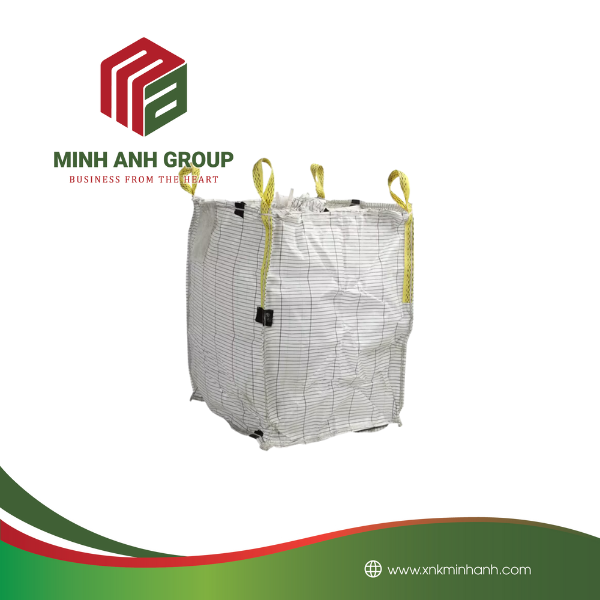
Various industries have adopted FIBC bags as part of their sustainable packaging strategies:
– Agriculture: Farmers use FIBC bags to store and transport grains and seeds, reducing spoilage and waste.
– Construction: The construction industry utilizes these bags for transporting sand, cement, and other materials efficiently.
– Chemicals: Chemical manufacturers benefit from the secure containment provided by FIBC bags, ensuring safe transport and storage.
– Food Products: The food industry relies on these bags for bulk storage of ingredients, maintaining freshness while minimizing packaging waste.
While FIBC bags offer numerous sustainability advantages, certain challenges must be addressed to maximize their environmental benefits:
– Proper Handling: To ensure reusability, proper handling and maintenance protocols must be followed. Mishandling can lead to damage, reducing the bag’s lifespan.
– Recycling Infrastructure: The effectiveness of recycling FIBC bags depends on the availability of appropriate recycling facilities. Developing robust recycling infrastructure is crucial for realizing their full environmental potential.
– Material Innovation: Continued research into alternative materials and enhanced manufacturing processes can further improve the sustainability profile of FIBC bags.
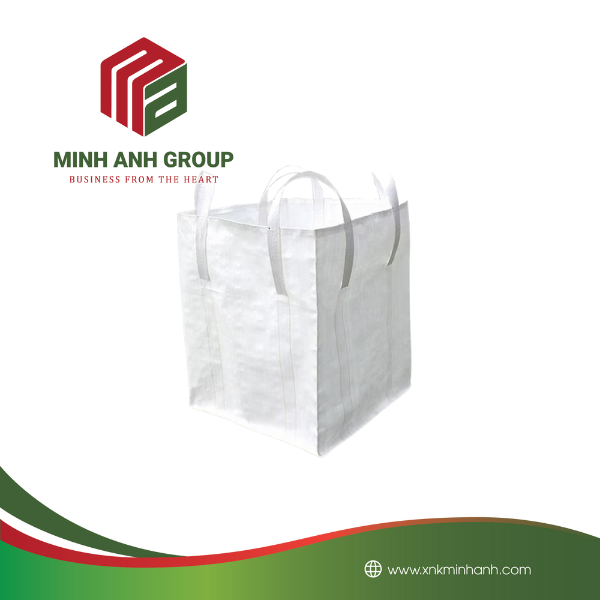
FIBC bags represent a significant step forward in sustainable packaging solutions. By offering reusability, recyclability, and efficiency in transportation and storage, these versatile containers align with the growing demand for eco-friendly practices across various industries. As businesses strive to reduce their environmental impact, incorporating FIBC bags into their logistics operations can be a strategic move towards achieving sustainability goals. Through ongoing innovation and commitment to responsible usage, FIBC bags will continue to play a pivotal role in promoting sustainable packaging practices worldwide.
Hãy là người đầu tiên nhận xét “How FIBC Bags Contribute to Sustainable Packaging”
Sản phẩm tương tự

Tin Tức Bao Bì

Tin Tức Bao Bì

Tin Tức Bao Bì


Tin Tức Bao Bì

Tin Tức Bao Bì

Tin Tức Bao Bì


Đánh giá
Chưa có đánh giá nào.