

The Environmental Impact of Ziplock Bags: What You Need to Know


The environmental impact of Ziplock bags is multi-faceted. In addition to the issues related to their production and disposal, plastic bags also pose a threat to wildlife. Marine animals, in particular, are at risk of ingesting or becoming entangled in plastic bags, leading to injury or death. Furthermore, the presence of plastic debris in the environment can disrupt ecosystems and harm biodiversity.
Ziplock bags are a common household item, used for storing food, organizing small items, and keeping belongings safe and dry. While they are convenient and versatile, it is important to consider their environmental impact. The production, use, and disposal of Ziplock bags can have significant consequences for the environment, and understanding these impacts is essential for making informed decisions about their use.
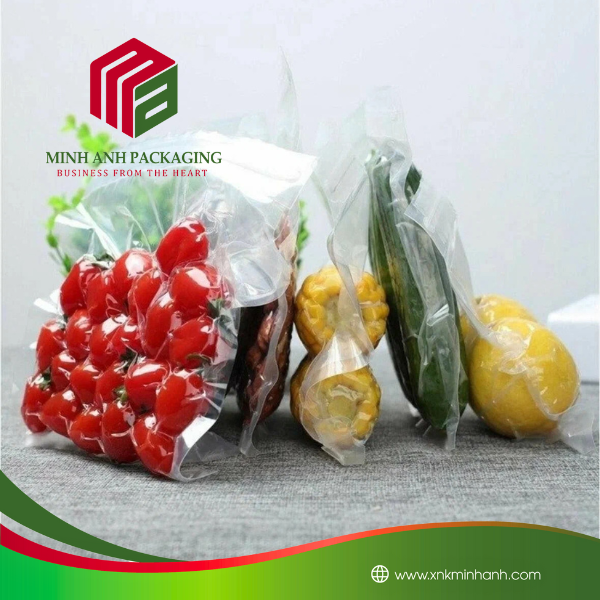
Ziplock bags are typically made from polyethylene, a type of plastic derived from fossil fuels. The production of polyethylene involves the extraction and processing of crude oil or natural gas, which can have a range of environmental impacts. These include habitat destruction, air and water pollution, and contribution to climate change. Additionally, the manufacturing process itself requires energy and water, further adding to its environmental footprint.
Once produced, Ziplock bags are used for a variety of purposes, from storing food to organizing household items. While they are reusable to some extent, they are often disposed of after just a few uses. When thrown away, Ziplock bags can end up in landfills or as litter in the environment. Plastic bags can take hundreds of years to decompose, and during this time, they can leach harmful chemicals into the soil and water, posing a threat to wildlife and ecosystems.

The environmental impact of Ziplock bags is multi-faceted. In addition to the issues related to their production and disposal, plastic bags also pose a threat to wildlife. Marine animals, in particular, are at risk of ingesting or becoming entangled in plastic bags, leading to injury or death. Furthermore, the presence of plastic debris in the environment can disrupt ecosystems and harm biodiversity.
To mitigate the environmental impact of Ziplock bags, there are several sustainable alternatives that individuals and businesses can consider. Reusable silicone storage bags, for example, offer a durable and eco-friendly alternative to single-use plastic bags. Similarly, biodegradable bags made from plant-based materials provide a more environmentally friendly option for those seeking to reduce their plastic consumption.
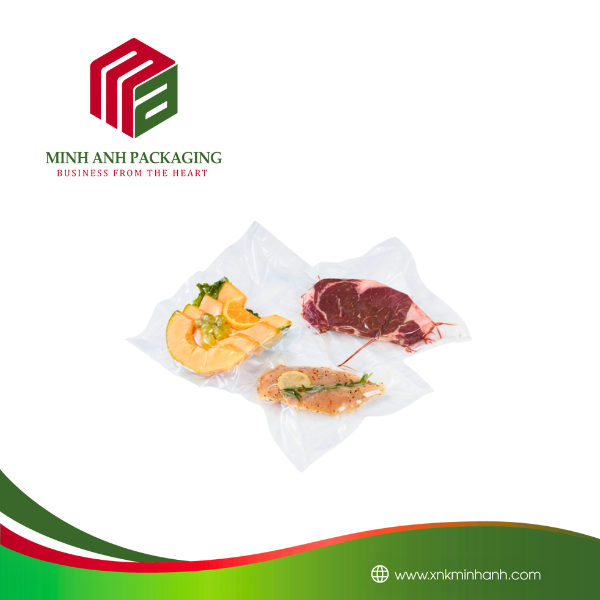
Ultimately, addressing the environmental impact of Ziplock bags requires a shift in consumer behavior. By choosing reusable alternatives and minimizing the use of single-use plastic bags, individuals can significantly reduce their environmental footprint. Additionally, advocating for policies that promote the use of sustainable packaging options and supporting businesses that prioritize environmentally friendly practices can contribute to broader efforts to address plastic pollution.
While Ziplock bags offer convenience and practicality, it is important to recognize their environmental impact. From the production of plastic to the disposal of used bags, their lifecycle has implications for the health of our planet. By understanding these impacts and making conscious choices about our use of Ziplock bags, we can work towards reducing our reliance on single-use plastics and minimizing our contribution to environmental degradation.
Hãy là người đầu tiên nhận xét “The Environmental Impact of Ziplock Bags: What You Need to Know”
Sản phẩm tương tự

Tin Tức Bao Bì


Tin Tức Bao Bì

Tin Tức Bao Bì

Tin Tức Bao Bì

Tin Tức Bao Bì

Tin Tức Bao Bì

Tin Tức Bao Bì


Đánh giá
Chưa có đánh giá nào.