

The Ultimate Guide to Using Ziplock Bags for Food Storage
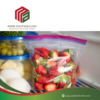
Ziplock bags are a versatile and practical solution for food storage, offering convenience and efficiency for everyday use. Whether it’s storing leftovers, meal prepping, freezing food, or organizing non-food items, ziplock bags provide a simple yet effective way to maintain a well-organized kitchen and pantry. By following the tips outlined in this guide, you can make the most of ziplock bags for food storage and simplify your daily meal preparation and storage routines.
In today’s fast-paced world, finding convenient and effective ways to store food is essential. Ziplock bags have become a staple in many kitchens due to their versatility and convenience. From storing leftovers to prepping meals in advance, ziplock bags offer a simple and efficient solution for food storage. In this guide, we will explore the various ways to use ziplock bags for food storage and how to maximize their benefits.

Ziplock bags offer several advantages when it comes to storing food. Their airtight seal helps to keep food fresh for longer periods, reducing the chances of spoilage. Additionally, their transparent design allows for easy identification of contents, making it simple to locate specific items in the fridge or pantry. Ziplock bags are also space-efficient, allowing for easy stacking and organization, which is especially useful in small kitchens or refrigerators.
One of the most common uses for ziplock bags is storing leftovers. Whether it’s a single serving of soup or a batch of roasted vegetables, ziplock bags provide a convenient way to store and reheat leftovers. To ensure the best results, it’s important to properly label and date the bags to keep track of when the food was stored. Additionally, removing excess air from the bag before sealing can help prolong the freshness of the leftovers.

Meal prepping has gained popularity in recent years as a way to save time and money. Ziplock bags are a valuable tool for meal prepping, allowing for easy portioning and storing of pre-cooked or prepped ingredients. Whether it’s marinating meat, portioning out smoothie ingredients, or assembling freezer meals, ziplock bags make it simple to prepare meals in advance and streamline the cooking process during busy weeknights.
Freezing food is an effective way to preserve ingredients and meals for future use. Ziplock bags are well-suited for freezing due to their durable construction and airtight seal. When freezing food in ziplock bags, it’s important to remove as much air as possible from the bag to prevent freezer burn. Additionally, properly labeling the bags with the contents and date can help keep the freezer organized and ensure that frozen items are used before they lose their quality.
In addition to food storage, ziplock bags can be used to store non-food items such as small kitchen gadgets, office supplies, or travel essentials. Their resealable design makes them ideal for organizing and protecting small items, whether it’s storing loose screws and bolts in the garage or keeping travel toiletries organized in a suitcase. By utilizing ziplock bags for non-food items, it’s easy to maintain a clutter-free and organized living space.
To make the most of ziplock bags for food storage, consider the following tips:
– Invest in high-quality, freezer-safe ziplock bags to ensure durability and prevent leaks.
– Use a permanent marker to label bags with the contents and date before storing them in the fridge or freezer.
– When storing liquids in ziplock bags, lay them flat in the freezer to save space and allow for easy stacking.
– Consider reusable silicone ziplock bags as an eco-friendly alternative to traditional plastic bags for food storage.

Ziplock bags are a versatile and practical solution for food storage, offering convenience and efficiency for everyday use. Whether it’s storing leftovers, meal prepping, freezing food, or organizing non-food items, ziplock bags provide a simple yet effective way to maintain a well-organized kitchen and pantry. By following the tips outlined in this guide, you can make the most of ziplock bags for food storage and simplify your daily meal preparation and storage routines.
Hãy là người đầu tiên nhận xét “The Ultimate Guide to Using Ziplock Bags for Food Storage”
Sản phẩm tương tự

Tin Tức Bao Bì

Tin Tức Bao Bì


Tin Tức Bao Bì

Tin Tức Bao Bì

Tin Tức Bao Bì


Đánh giá
Chưa có đánh giá nào.