
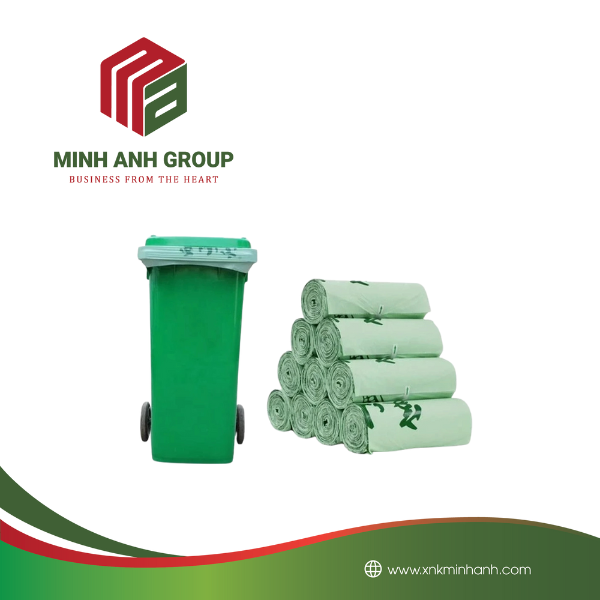
Debunking Myths About Compostable Garbage Bags: What You Really Need to Know

If you’ve made it this far, you might be wondering if compostable garbage bags are worth the hype. The answer? It depends. If you have access to an industrial composting facility or use them for specific purposes (like collecting food scraps for your city’s compost program), they can be a great choice. But if you’re tossing them in the regular trash or expecting them to work miracles in your backyard compost bin, you might want to rethink your approach.
Ah, compostable garbage bags—the eco-friendly darlings of the waste-management world. They promise to save the planet, reduce landfill waste, and make us feel like environmental superheroes. But are they really as magical as they seem? Spoiler alert: not always. Let’s dive into the world of compostable garbage bags and separate fact from fiction with a sprinkle of wit (because saving the planet doesn’t have to be boring).

1: Compostable Garbage Bags Break Down Anywhere
You’ve probably heard this one before: “Throw a compostable garbage bag in the trash, and voilà—it’ll biodegrade in no time!” Sorry to burst your eco-bubble, but that’s not quite how it works. Compostable bags are designed to break down under specific conditions, usually in industrial composting facilities. These facilities provide the perfect mix of heat, moisture, and microorganisms to help the bags decompose.
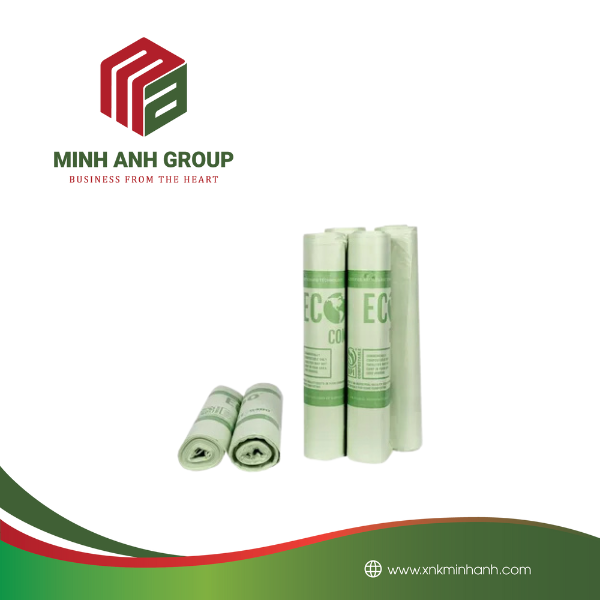
If you toss a compostable bag into your regular trash, it’ll likely end up in a landfill where conditions are about as conducive to decomposition as a freezer is to baking cookies. Landfills are oxygen-deprived environments, meaning even organic materials like food scraps and compostable bags can take decades (or centuries!) to break down.
The takeaway: Compostable garbage bags need the right environment to work their magic. Without it, they’re just fancy trash bags.
2: They’re the Same as Biodegradable Bags
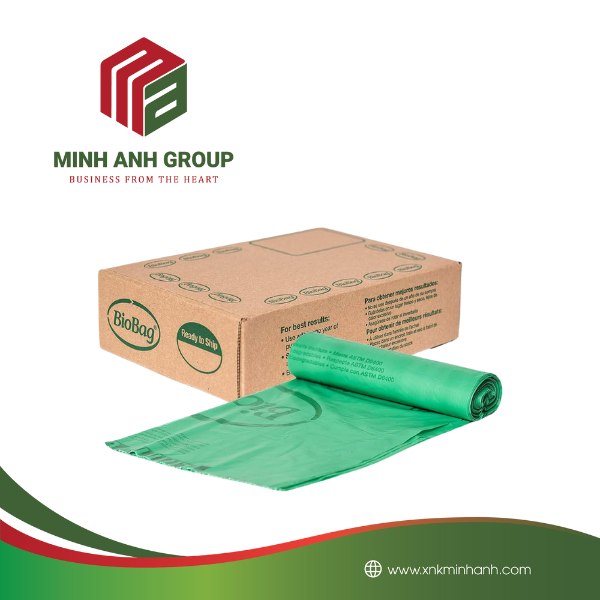
Let’s clear this up once and for all: compostable and biodegradable are *not* interchangeable terms. Sure, they sound similar, but they’re about as different as a latte and a cappuccino (close, but not quite the same). Biodegradable bags are designed to break down over time, but the process isn’t always eco-friendly. Some biodegradable plastics leave behind microplastics, which are basically glitter’s evil cousin—tiny, impossible-to-clean-up pieces of plastic that wreak havoc on ecosystems.
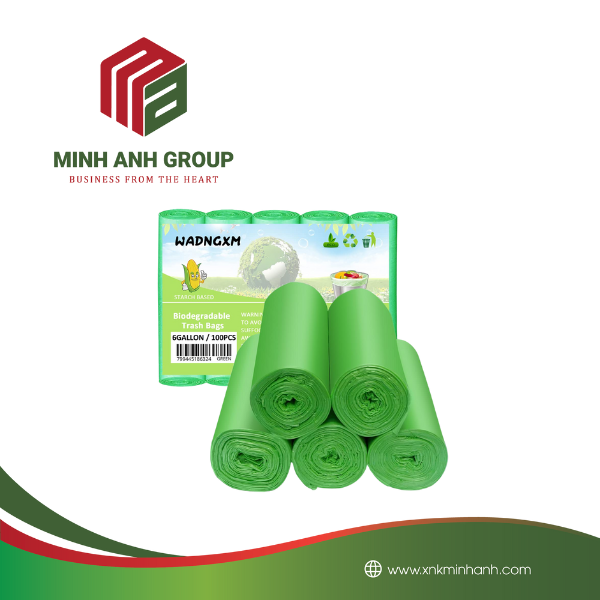
Compostable bags, on the other hand, are made from plant-based materials and break down into natural elements like water, carbon dioxide, and nutrient-rich compost. The catch? They still need those ideal composting conditions we mentioned earlier.
The takeaway: Compostable bags are a step up from biodegradable ones—but only if you dispose of them correctly.
3: You Can Compost Them in Your Backyard
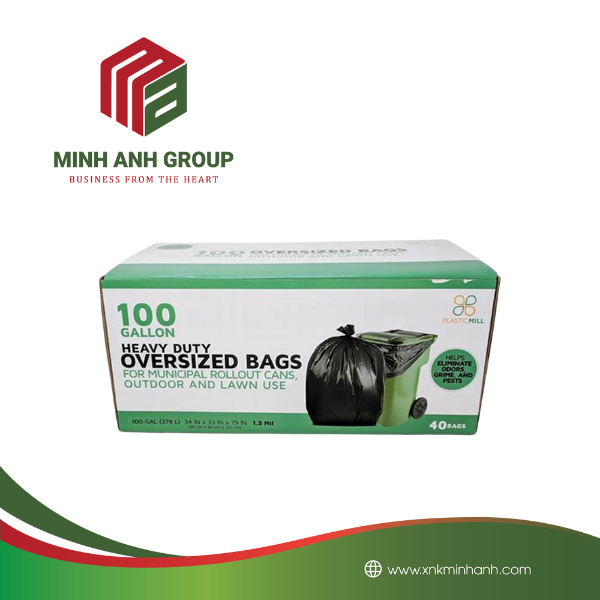
Wouldn’t it be nice if you could just toss your compostable garbage bag into your backyard compost pile and call it a day? Unfortunately, most compostable bags aren’t designed for home composting. They require high temperatures (think 140°F or more) to break down properly, which your backyard compost bin is unlikely to achieve unless you’re running a full-on composting empire.
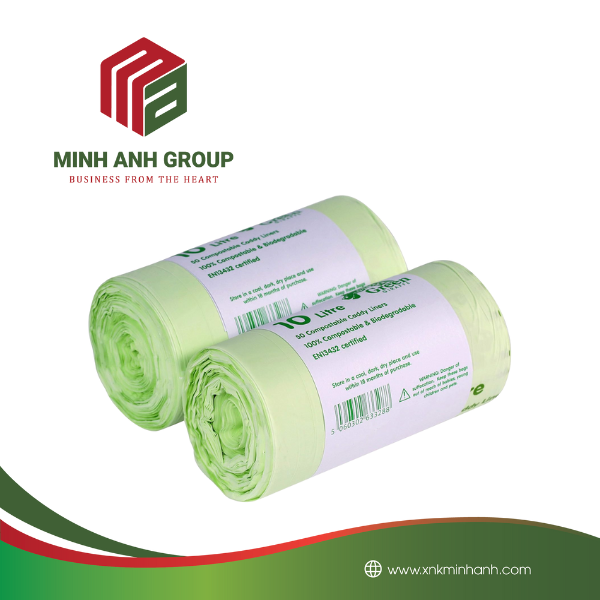
However, there are some home-compostable bags on the market, so if backyard composting is your jam, look for products labeled specifically for home use. Just be prepared to wait—these bags can still take months to decompose.
The takeaway: Unless you’re operating a backyard furnace disguised as a compost pile, don’t expect your compostable garbage bag to vanish overnight.
4: They’re Always Better Than Plastic Bags
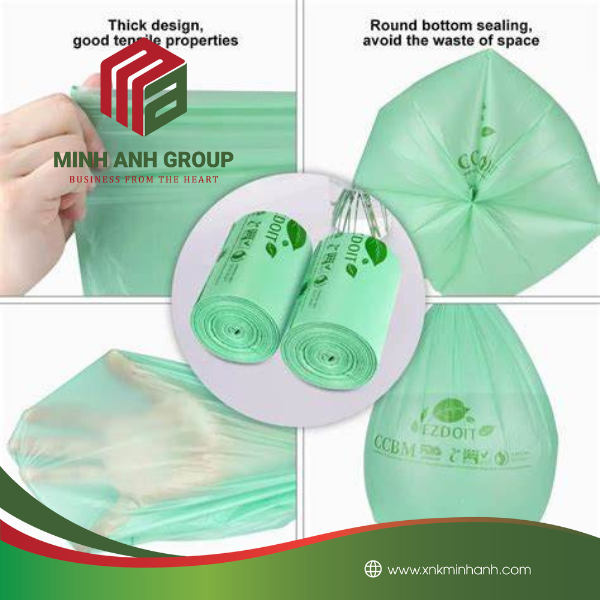
Let’s not get carried away with the eco-halo effect. While compostable garbage bags are generally better for the environment than traditional plastic bags, they’re not perfect. For starters, they often require more energy and resources to produce than regular plastic bags. Plus, if they end up in a landfill or the ocean (gasp!), they won’t break down any faster than their plastic counterparts.
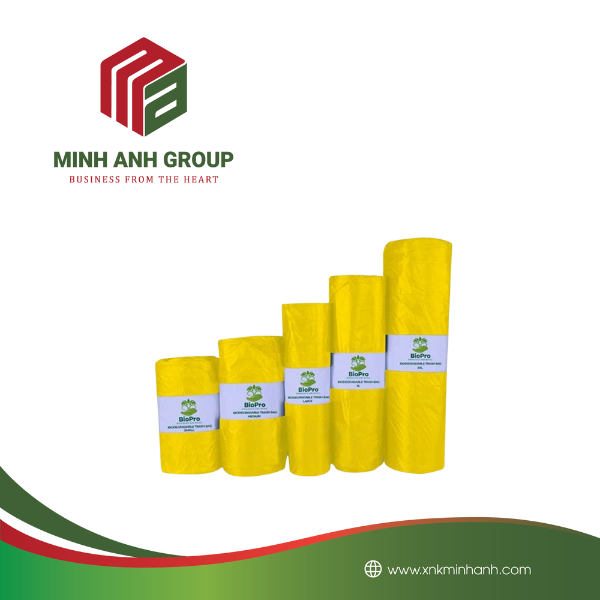
And let’s not forget the elephant in the room: cost. Compostable garbage bags tend to be pricier than regular ones, which can be a barrier for people trying to make sustainable choices on a budget.
The takeaway: Compostable garbage bags are a step in the right direction, but they’re not a silver bullet for solving our waste woes.
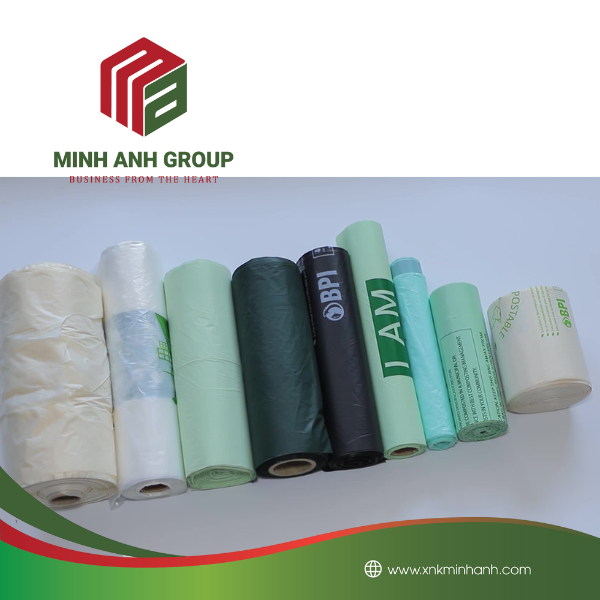
5: You Don’t Need to Worry About Sorting Your Trash
Here’s a fun fact: using compostable garbage bags doesn’t give you a free pass to be lazy about sorting your waste. If you toss non-compostable items (like plastic wrappers or greasy pizza boxes) into your compostable bag, you’re contaminating the whole batch. This makes it harder for industrial facilities to process your waste and could result in your bag being sent to the landfill instead.
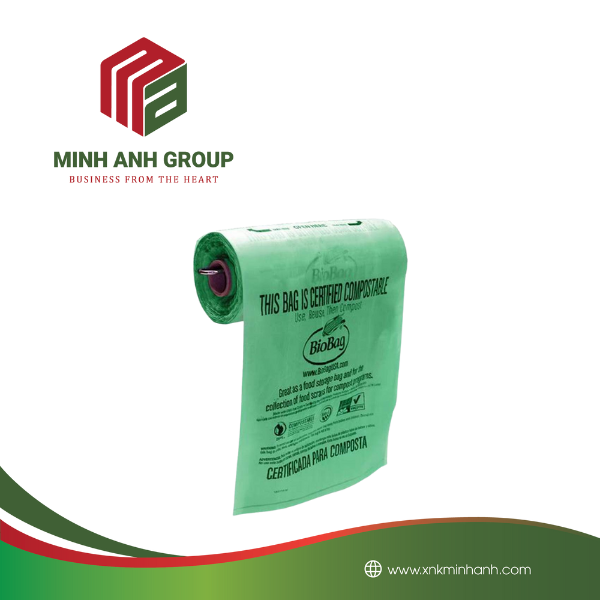
The takeaway: Compostable garbage bags aren’t an excuse to skip sorting your trash. Keep your recyclables, compostables, and regular garbage separate—it’s worth the extra effort.
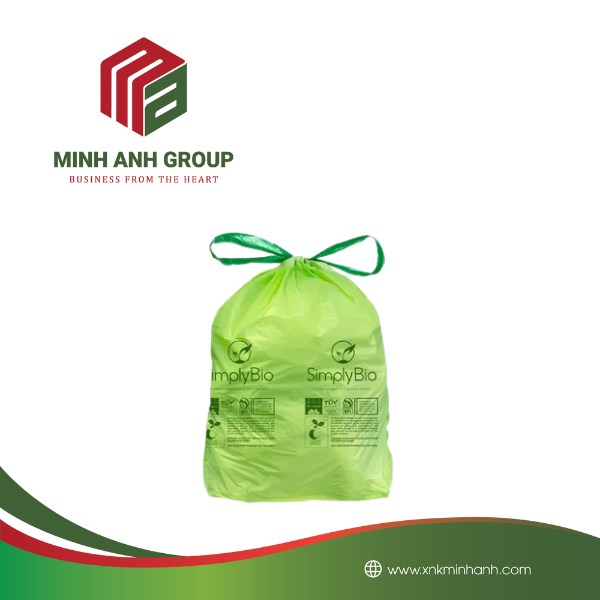
6: All Compostable Bags Are Created Equal
Not all compostable garbage bags are made from the same materials or held to the same standards. Some are certified by organizations like the Biodegradable Products Institute (BPI), which ensures they meet strict compostability criteria. Others? Not so much. Without proper certification, you could be buying a product that’s about as “compostable” as a brick.
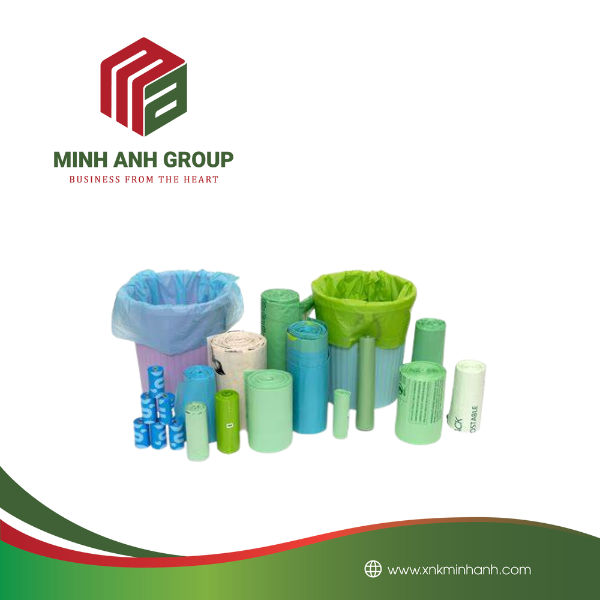
The takeaway: Look for certifications like BPI or ASTM D6400 when shopping for compostable garbage bags. Your future self (and the planet) will thank you.
So… Should You Use Compostable Garbage Bags?
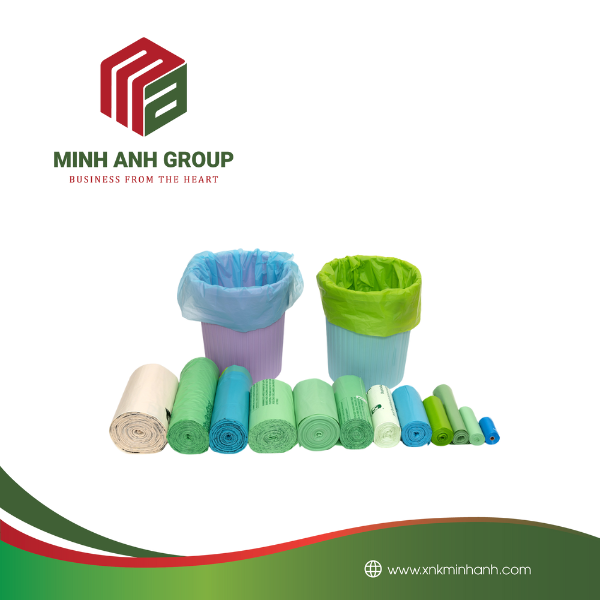
If you’ve made it this far, you might be wondering if compostable garbage bags are worth the hype. The answer? It depends. If you have access to an industrial composting facility or use them for specific purposes (like collecting food scraps for your city’s compost program), they can be a great choice. But if you’re tossing them in the regular trash or expecting them to work miracles in your backyard compost bin, you might want to rethink your approach.
At the end of the day, the best way to reduce waste is to create less of it in the first place. Use reusable containers, buy in bulk, and say no to single-use plastics whenever possible. And if you do decide to use compostable garbage bags? Dispose of them responsibly—because saving the planet is a team effort.
Now go forth and conquer your waste with newfound knowledge—and maybe a little sass. The Earth will thank you!
Hãy là người đầu tiên nhận xét “Debunking Myths About Compostable Garbage Bags: What You Really Need to Know”
Sản phẩm tương tự

Tin Tức Bao Bì


Tin Tức Bao Bì

Tin Tức Bao Bì


Tin Tức Bao Bì

Tin Tức Bao Bì

Tin Tức Bao Bì


Đánh giá
Chưa có đánh giá nào.