

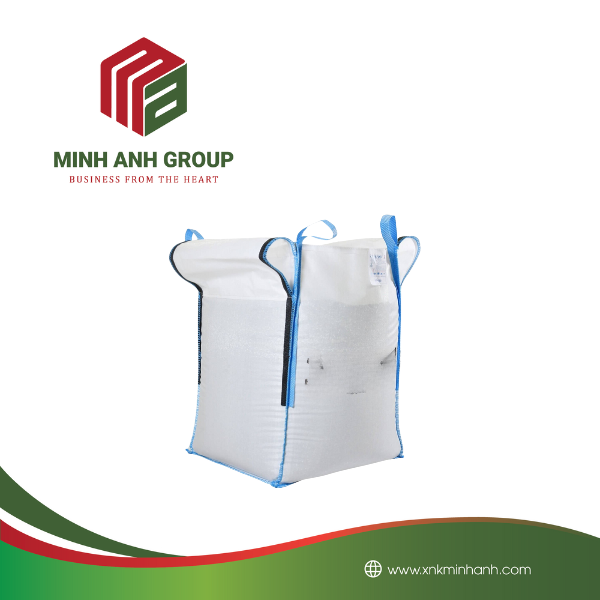
Bulk bags, also known as FIBCs (Flexible Intermediate Bulk Containers), are widely used across industries for storing and transporting large quantities of materials such as grains, powders, and chemicals. Their versatility, durability, and cost-effectiveness make them a popular choice. However, handling these bags improperly can lead to accidents or damage to the goods and equipment involved. To ensure safety and efficiency, it’s essential to follow best practices when dealing with bulk bags. Here are some valuable tips to help you handle them safely.
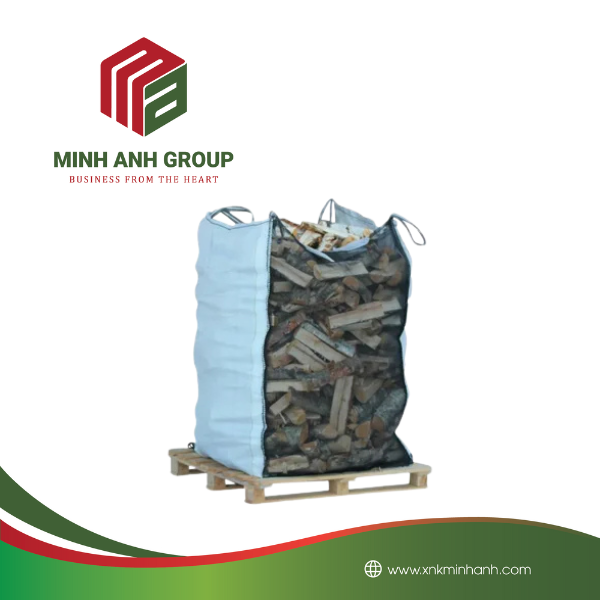
1. Inspect the Bulk Bags Before Use
Before lifting or transporting a bulk bag, take a moment to inspect it thoroughly. Check for any visible signs of wear and tear, such as frayed loops, punctures, or weakened seams. A compromised bag may not be able to hold its load securely, posing a risk to both the handler and the surroundings. If you notice any damage, do not use the bag—replace it immediately.
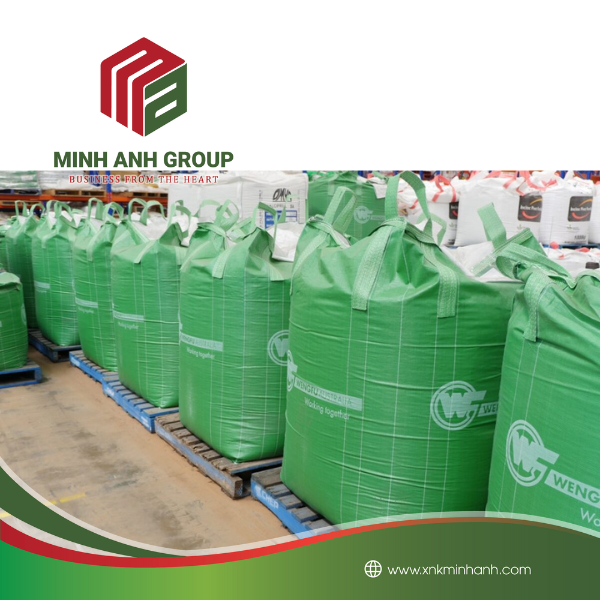
2. Understand the Bag’s Weight Limit
Every bulk bag is designed to carry a specific weight limit, known as its Safe Working Load (SWL). This information is usually printed on the bag or provided by the manufacturer. Overloading a bag can cause it to tear or collapse during handling. Always ensure that the weight of the material you’re loading does not exceed the SWL.
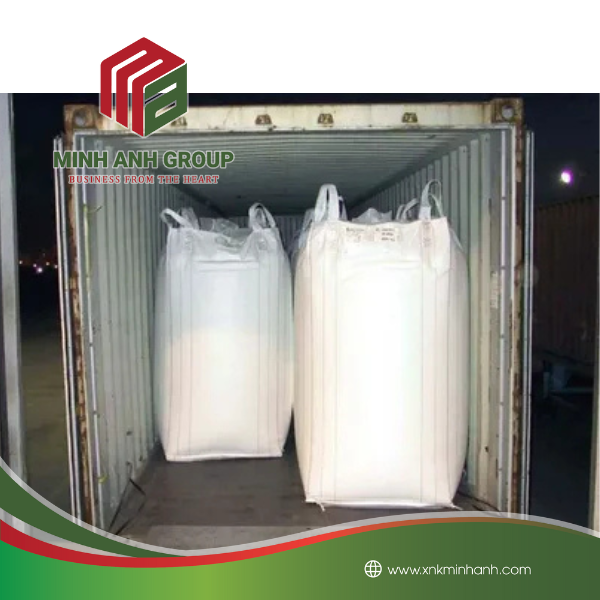
3. Use Proper Equipment
Handling bulk bags requires the right equipment to ensure safety and efficiency. Forklifts are commonly used for lifting and transporting these bags. When using a forklift, make sure the forks are adjusted to match the width of the bag’s lifting loops. For added safety, use spreader bars or cross beams designed specifically for bulk bags to prevent the loops from slipping off the forks.
If you’re using a crane or hoist, ensure that the lifting hooks or attachments are compatible with the bag’s loops and are rated for the load weight.
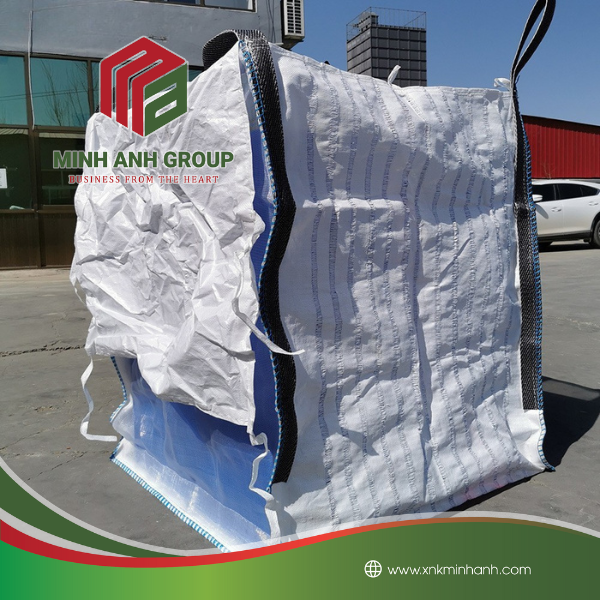
4. Lift Bags Correctly
Improper lifting is one of the most common causes of accidents involving bulk bags. Always lift a bulk bag by its designated lifting loops—never by its fabric body or other improvised methods. Avoid sudden movements when lifting or lowering the bag, as this can cause instability or stress on the loops.
Additionally, ensure that all lifting equipment is aligned vertically with the bag to prevent tilting or swaying during transport.
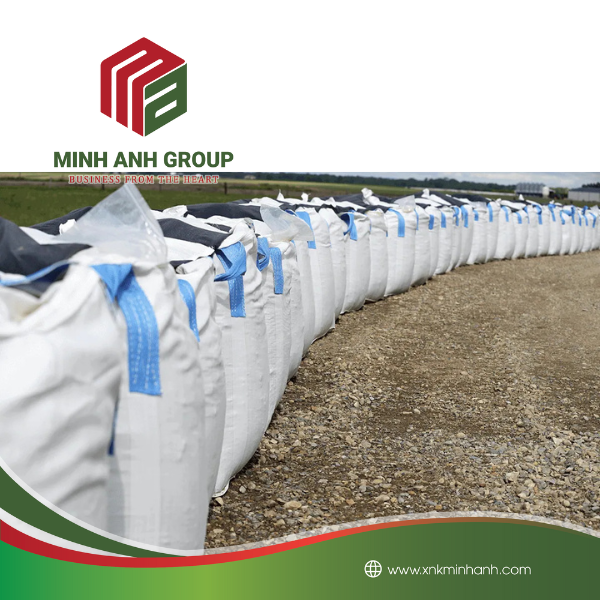
5. Train Your Team
Proper training is crucial for anyone involved in handling bulk bags. Workers should be educated on how to inspect bags, use lifting equipment correctly, and recognize potential hazards. By ensuring everyone on your team understands safe handling practices, you can significantly reduce the risk of accidents.
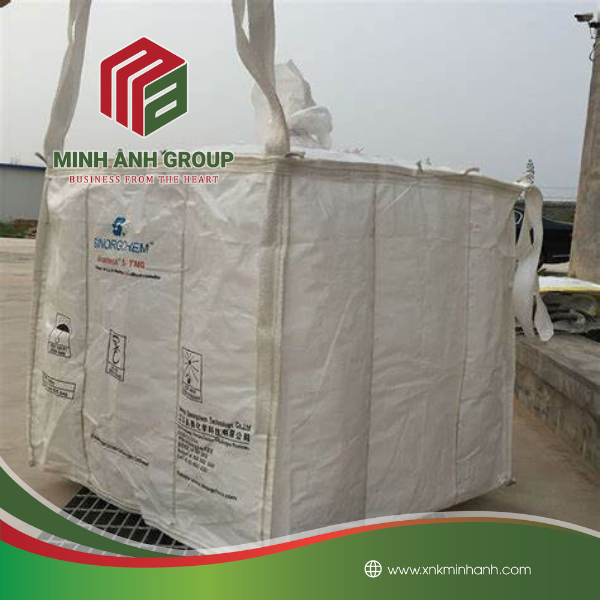
6. Store Bulk Bags Safely
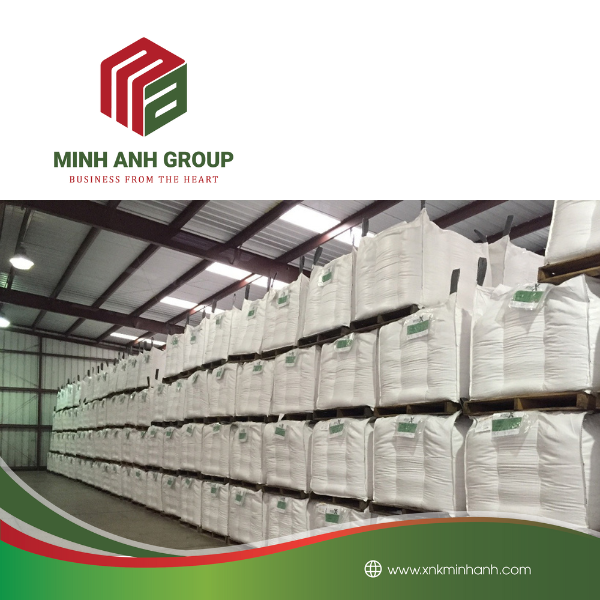
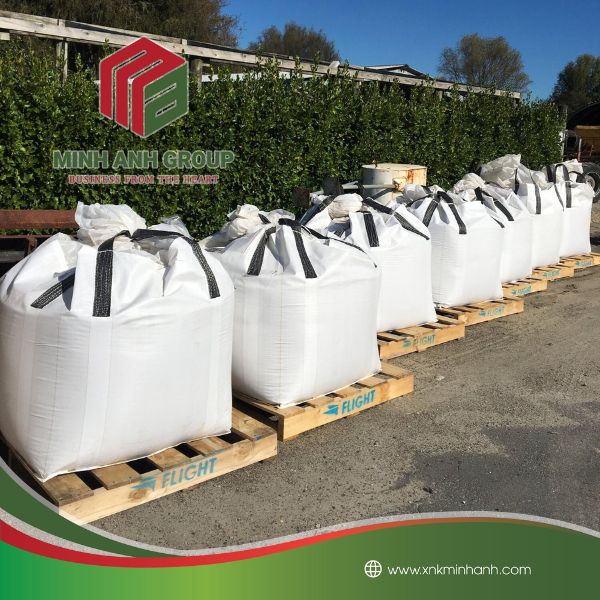
When storing bulk bags, choose a flat, stable surface that can support their weight without shifting. If stacking is necessary, follow the manufacturer’s guidelines on how many bags can be safely stacked on top of each other. Overstacking or uneven stacking can lead to collapses that endanger workers and damage materials.

7. Be Mindful of Environmental Conditions
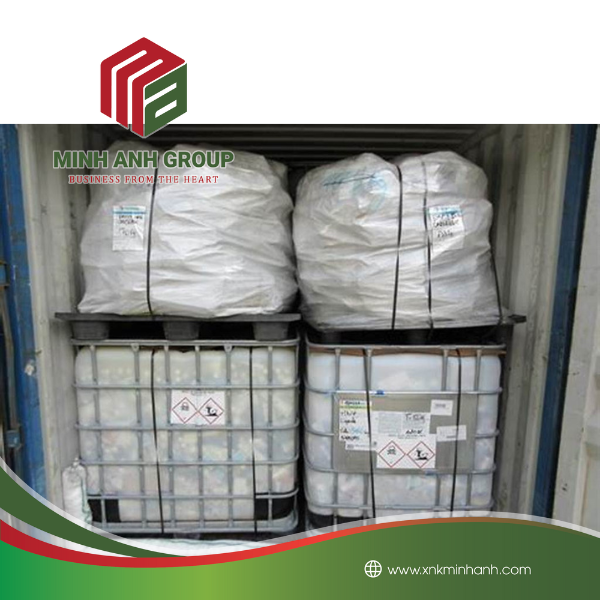
Environmental factors can affect the integrity of bulk bags. For example, prolonged exposure to sunlight can weaken UV-sensitive materials, while moisture can compromise bags designed for dry goods. Store and handle bulk bags in conditions that align with their intended use and specifications.
8. Avoid Walking or Standing Under Suspended Bags
This may seem like common sense, but it’s worth emphasizing: never walk or stand under a suspended bulk bag. Even if the lifting equipment appears secure, accidents can happen unexpectedly. Keeping clear of suspended loads is a simple yet effective way to avoid injury.
9. Dispose of Damaged Bags Properly
If a bulk bag is damaged beyond repair, dispose of it in accordance with your company’s waste management policies and any applicable regulations. Never attempt to reuse a damaged bag for heavy loads—it’s not worth the risk.
10. Communicate Clearly
Effective communication is key when handling bulk bags in a team setting. Use clear signals or verbal instructions when coordinating lifts and transports to ensure everyone is on the same page. This minimizes confusion and reduces the likelihood of mistakes.
Bulk bags are an invaluable tool in industries that require efficient material handling, but their safe use depends on proper practices and precautions. By inspecting bags regularly, using appropriate equipment, and fostering a culture of safety awareness among your team, you can prevent accidents and keep operations running smoothly.
Remember: safety isn’t just about following rules—it’s about looking out for one another and ensuring that everyone goes home at the end of the day in good health. With these tips in mind, you’ll be well-equipped to handle bulk bags safely and responsibly!
Hãy là người đầu tiên nhận xét “Tips for Safely Handling Bulk Bags”
Sản phẩm tương tự


Tin Tức Bao Bì

Tin Tức Bao Bì

Tin Tức Bao Bì

Tin Tức Bao Bì


Tin Tức Bao Bì

Tin Tức Bao Bì


Đánh giá
Chưa có đánh giá nào.