
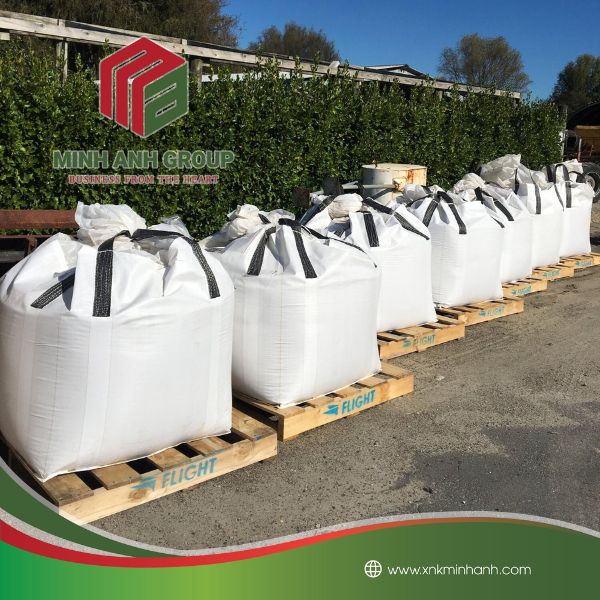
How to Choose the Right Closure for Bulk Bags

In this article, we’ll break down the different types of closures for bulk bags and provide tips on how to choose the best one for your specific application. Whether you’re dealing with powders, granules, or large solid materials, we’ll guide you through the process with ease.
When it comes to selecting bulk bags for your business, choosing the right type of closure is just as important as selecting the size, material, or weight capacity. The closure of a bulk bag plays a crucial role in protecting your product, ensuring safe handling, and maintaining efficiency during transportation and storage. With so many options available, it can feel overwhelming to decide which closure best suits your needs. Don’t worry—we’re here to help!
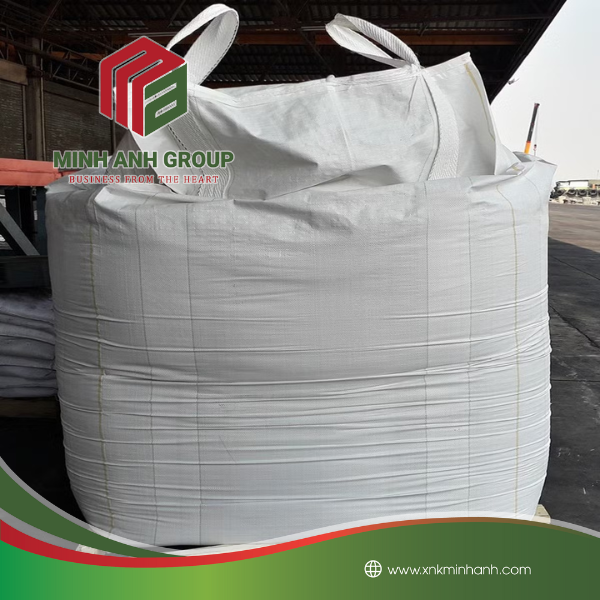
In this article, we’ll break down the different types of closures for bulk bags and provide tips on how to choose the best one for your specific application. Whether you’re dealing with powders, granules, or large solid materials, we’ll guide you through the process with ease.
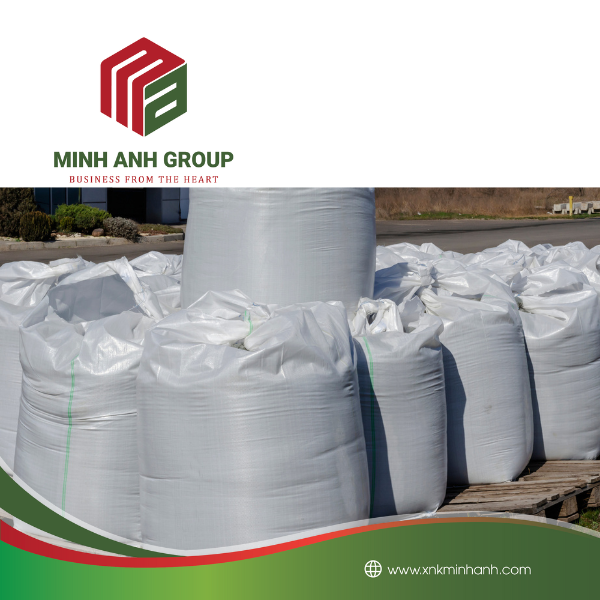
Why the Right Closure Matters
Before diving into the specifics, let’s talk about why the closure of a bulk bag is so important. The closure serves several key purposes:
1. Product Protection: It helps keep your product safe from contamination, moisture, or spillage during storage and transit.
2. Ease of Handling: A well-designed closure makes filling and emptying the bag more efficient, saving time and labor.
3. Cost Efficiency: Choosing the right closure can minimize product loss and reduce cleanup costs.
4. Compliance: For industries like food, pharmaceuticals, or chemicals, closures help maintain regulatory compliance by ensuring product integrity.
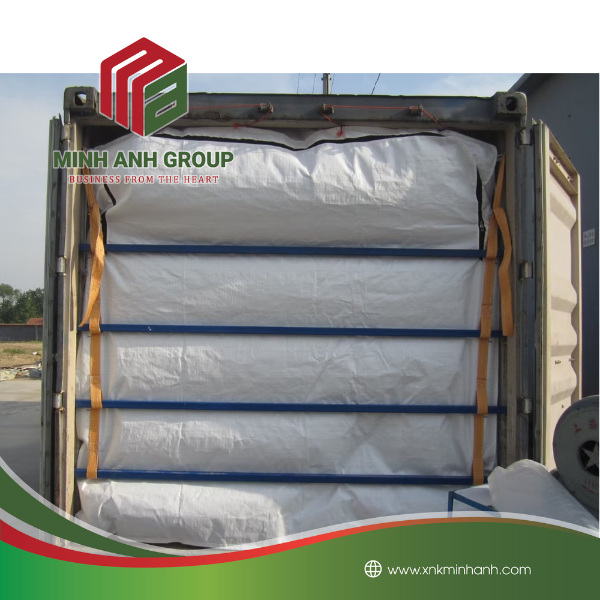
Now that we understand why closures matter, let’s explore the different types available.
Common Types of Bulk Bag Closures
Bulk bag closures come in a variety of designs to meet different needs. Here are some of the most common options:
1. Open Top
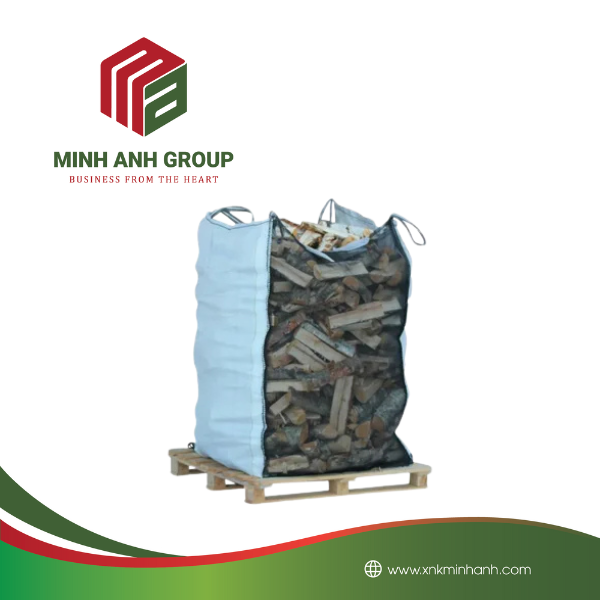
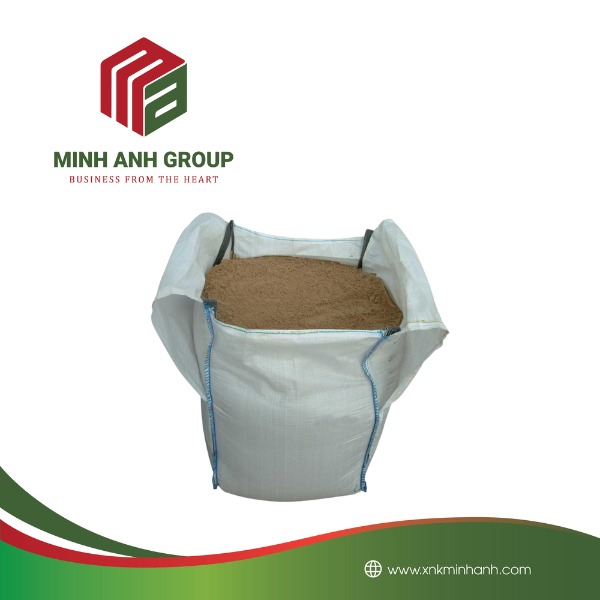
An open-top design is exactly what it sounds like—a bulk bag with no specific closure mechanism at the top. This type is ideal for applications where quick filling is a priority or when the product doesn’t require protection from external elements.
– Best For: Non-sensitive materials like sand, gravel, or other construction aggregates.
– Pros: Easy to fill and cost-effective.
– Cons: Limited protection from dust, moisture, or contamination.
2. Duffle Top (Skirt Top)
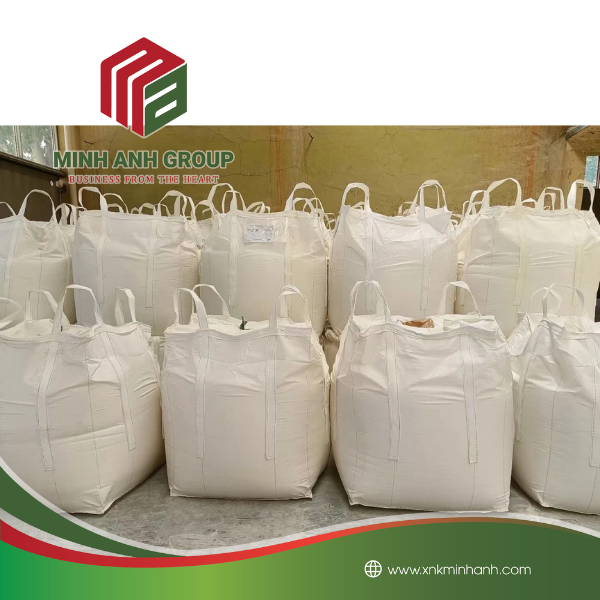
A duffle top features an additional fabric layer (skirt) that can be tied off after filling the bag. This provides moderate protection against dust and moisture while still being easy to handle.
– Best For: Products that need a bit more protection, such as grains, seeds, or fertilizers.
– Pros: Versatile and offers a better seal than an open top.
– Cons: Requires manual tying, which can take extra time.
3. Spout Top
A spout top includes a cylindrical opening at the top of the bag that can be cinched closed with a drawstring or tie. This design is perfect for precise filling operations and helps minimize product loss during handling.
– Best For: Fine powders or granules like flour, sugar, or chemicals.
– Pros: Reduces spillage and allows controlled filling.
– Cons: May require specialized equipment for optimal use.
4. Zipper Top
A zipper top closure provides a secure seal with the convenience of easy opening and closing. This option is ideal for applications where frequent access to the contents is necessary.
– Best For: High-value or sensitive materials that need extra protection.
– Pros: Excellent sealing capabilities; reusable.
– Cons: Higher cost compared to other closures.
5. Velcro Closure
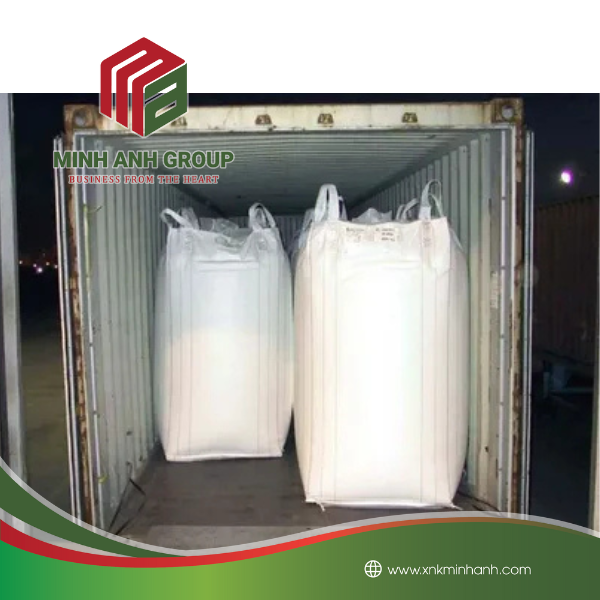
Velcro closures offer a simple and reusable sealing option. They are not as common as other closures but can be useful for certain applications where quick access is needed without compromising too much on protection.
– Best For: Lightweight materials or temporary storage.
– Pros: Quick and easy to use.
– Cons: Limited protection against moisture or fine particles.
Factors to Consider When Choosing a Closure
Now that you know the different types of closures, how do you decide which one is right for your needs? Here are some factors to consider:
1. Type of Product
The nature of your product will heavily influence your choice of closure. For example:
– Fine powders require a spout top to prevent leaks.
– Moisture-sensitive products might benefit from a zipper top for better sealing.
– Bulkier materials like rocks or sand work well with an open-top design.
2. Storage and Transportation Conditions
Think about where and how your bulk bags will be stored and transported:
– If your bags will be exposed to outdoor elements, choose a closure that offers strong protection against moisture and dust (e.g., duffle or zipper tops).
– For indoor storage in controlled environments, an open top may suffice.
3. Filling and Emptying Process
Consider how you’ll be filling and emptying the bags:
– If you need precision during filling, a spout top is ideal.
– For quick and easy emptying, an open-top design might be more efficient.
4. Frequency of Access
If you need to access the contents frequently, opt for a zipper or Velcro closure for convenience. On the other hand, if the bag will remain sealed until its contents are fully used, a spout or duffle top might be more suitable.
5. Budget
Your budget will also play a role in determining the best closure option. While zipper tops offer excellent protection, they come at a higher cost. Open tops are more affordable but may not provide adequate protection for certain products.
Selecting the right closure for your bulk bags doesn’t have to be complicated. By considering factors like the type of product you’re handling, storage conditions, and budget, you can narrow down your options and choose a closure that meets your needs perfectly.
Remember, there’s no one-size-fits-all solution—what works for one application might not work for another. Take the time to evaluate your requirements and consult with your bulk bag supplier if you’re unsure. With the right closure in place, you’ll enjoy improved efficiency, reduced waste, and peace of mind knowing your products are well-protected.
Happy bagging!
Hãy là người đầu tiên nhận xét “How to Choose the Right Closure for Bulk Bags”
Sản phẩm tương tự

Tin Tức Bao Bì

Tin Tức Bao Bì

Tin Tức Bao Bì

Tin Tức Bao Bì

Tin Tức Bao Bì

Tin Tức Bao Bì


Đánh giá
Chưa có đánh giá nào.